
Mr. Brainwash: Das von Banksy inspirierte Pop-Art-Wunderkind in der Welt der Straßenkunst
Known for his vibrant fusion of pop art and street art, Mr Brainwash draws heavily from icons such as Banksy, Andy Warhol and Roy Lichtenstein. Warhol’s use of repetition and mass-media imagery, along with Lichtenstein’s bold comic-strip style, are evident in his work. Influenced by contemporary street artists such as Shepard Fairey, Mr Brainwash incorporates political and social themes with a focus on positivity. His art celebrates cultural icons such as Marilyn Monroe and Albert Einstein, fusing historical and modern pop culture into a dynamic visual narrative that continues to captivate the contemporary art scene.

Image By Kim Leng Hills – YouTube (circa 0:20), CC BY 3.0, Link
Mr Brainwash: Early life and background
Thierry Guetta, known in the art world as Mr Brainwash, was born in France in 1966. His early years were marked by a fascination with the vibrant and bustling world around him, setting the stage for his future in the arts. In his youth, Guetta moved to Los Angeles, California, in search of new opportunities and a fresh start. In Los Angeles, he established himself as a vintage clothing store owner, where his keen eye for eclectic and unique items foreshadowed his future artistic endeavours. His store became a treasure trove of retro fashion, attracting a diverse clientele and fostering his growing appreciation for visual aesthetics and cultural nostalgia.
Introduction to street art
Guetta’s unexpected entry into street art began through his cousin, the famous street artist Invader, known for his mosaic tile works inspired by the video game Space Invaders. This introduction led Guetta to become deeply fascinated with the secretive, fleeting world of street art, sparking an obsession with documenting his cousin’s creative process. What started as a simple filming project soon expanded as Guetta began capturing the works of other prominent street artists, including the mysterious Banksy and the politically charged Shepard Fairey. Through this immersive experience, Guetta forged close relationships with these influential figures, gaining rare insight into their artistic philosophies.
Originally intending to create a documentary, Guetta inadvertently documented his own transformation from a passive observer to an active participant in the street art scene. Encouraged by Banksy to try his hand at art, Guetta adopted the pseudonym Mr. Brainwash and launched his first major exhibition, ‘Life is Beautiful,’ in Los Angeles in 2008. The show was a resounding success, cementing Guetta’s transition from filmmaker to artist. His vibrant, pop culture-infused works challenged traditional art boundaries, making him a controversial yet significant figure in contemporary art, embodying the power of passion and the unpredictable journey of artistic creation.
His Rise to fame
Mr. Brainwash’s meteoric rise in the art world can be traced back to the 2010 documentary Exit Through the Gift Shop, directed by the enigmatic street artist Banksy. Initially meant to chronicle the underground street art scene through the obsessive lens of Thierry Guetta, the film took an unexpected turn, shifting focus to Guetta’s transformation into the artist Mr. Brainwash. Banksy’s portrayal of this journey from eccentric videographer to unconventional artist captivated audiences, offering a rare glimpse into the inner workings of the art world. The documentary not only brought Guetta’s story to life but also served as a launchpad for Mr. Brainwash’s career, sparking widespread curiosity and interest in his work.
His debut art exhibition, Life is Beautiful, held in Los Angeles in 2008, became a sensational success. The show featured a vibrant blend of pop culture icons, bold colors, and large-scale installations, drawing massive crowds and significant media attention. This initial triumph, fueled by the buzz around Banksy’s involvement, solidified Mr. Brainwash’s position as a major player in contemporary art. His rapid ascent was marked by both admiration and controversy, with critics questioning the originality of his work, yet his impact on the art scene was undeniable, earning him international recognition.
Mr Brainwash's artistic style
Fusion of Pop Art and Street Art
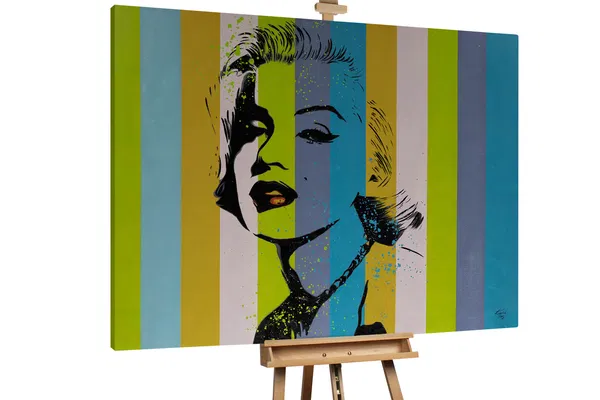
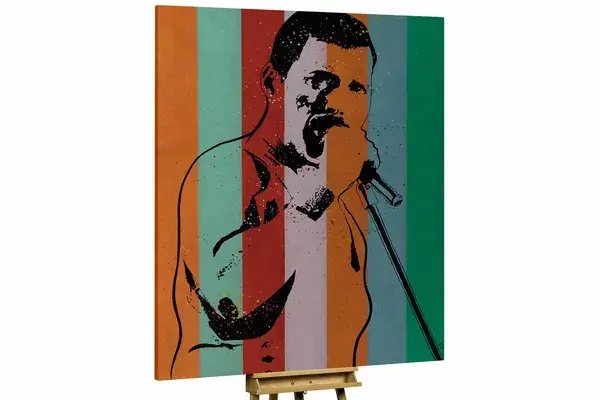
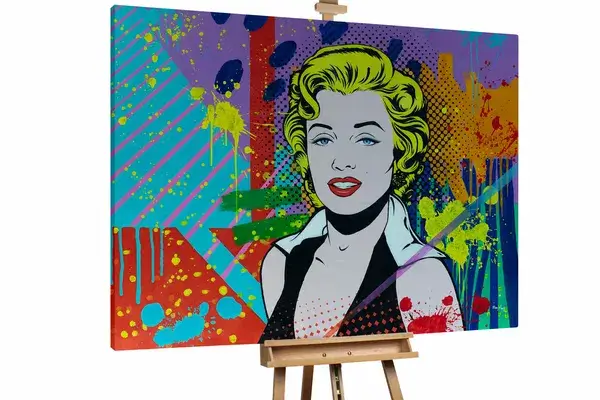
Mr. Brainwash’s artistic style is a vibrant blend of pop art and street art, marked by bold, eye-catching colors and dynamic compositions. His work often features iconic imagery, reimagining cultural figures like Marilyn Monroe, Albert Einstein, and Charlie Chaplin in unexpected, playful ways. By juxtaposing these familiar faces with elements of humor and irony, Mr. Brainwash not only pays tribute to pop culture but also challenges viewers to see these icons in new, thought-provoking contexts. His large-scale installations further define his style, transforming spaces into immersive environments that captivate and engage audiences.
These installations mix traditional and unconventional materials, resulting in eclectic displays that are as powerful as they are visually striking. The depth and intensity of his work create an energetic aesthetic that is both distinctive and memorable, making Mr. Brainwash a significant figure in contemporary art.

Techniques and media
Mr Brainwash’s artworks showcase a wide range of techniques and mediums that reflect his versatility and innovative approach. Through the use of stencils, spray paint and screen printing, he draws from his street art roots and combines precise, repeatable imagery with a raw, urban aesthetic. Going beyond traditional methods, Mr Brainwash uses found objects and everyday materials that add texture and complexity to his work while highlighting the transformative power of art. Objects such as old newspapers, discarded signs and broken electronics become integral parts of his eclectic compositions.
His dynamic style often combines text and imagery, with inspirational or provocative quotes enhancing the narrative depth of his pieces. This interplay invites viewers to explore multiple layers of meaning within the artwork. Overall, Mr. Brainwash’s art is a vibrant fusion of pop art and street art, characterized by bold colors, iconic imagery, and innovative material use. His thought-provoking, visually striking works challenge traditional art boundaries, resonating with a broad audience.
Recurring themes and motifs
Celebration of popular culture
Mr Brainwash’s work is a celebratory homage to popular culture. His art is saturated with images of famous figures from music, film, politics and the arts, such as Marilyn Monroe, Albert Einstein and the Beatles. By recontextualising these icons within vibrant, eclectic compositions, Mr Brainwash bridges the gap between high art and popular culture, making his work accessible and relatable to a wide audience.
Optimism and positivity
A pervasive theme in Mr Brainwash’s art is a sense of optimism and positivity. His work often features uplifting messages and cheerful imagery, conveying a spirit of hope and joy. Phrases such as ‘life is beautiful’ and ‘never give up’ are common in his work, reflecting his belief in the power of positive thinking and resilience. This upbeat tone resonates with viewers, providing a sense of encouragement and inspiration.
Juxtaposing historical and contemporary figures
Mr Brainwash frequently juxtaposes historical and contemporary figures, creating a dialogue between past and present. This technique not only highlights the timeless nature of certain cultural icons, but also encourages viewers to consider the impact of these figures in today’s context. For example, he might pair Albert Einstein with a modern-day superhero, blending the realms of science and fantasy to make a statement about genius and heroism across time.
Influences on Mr Brainwash's work
Mentorship and inspiration from Banksy
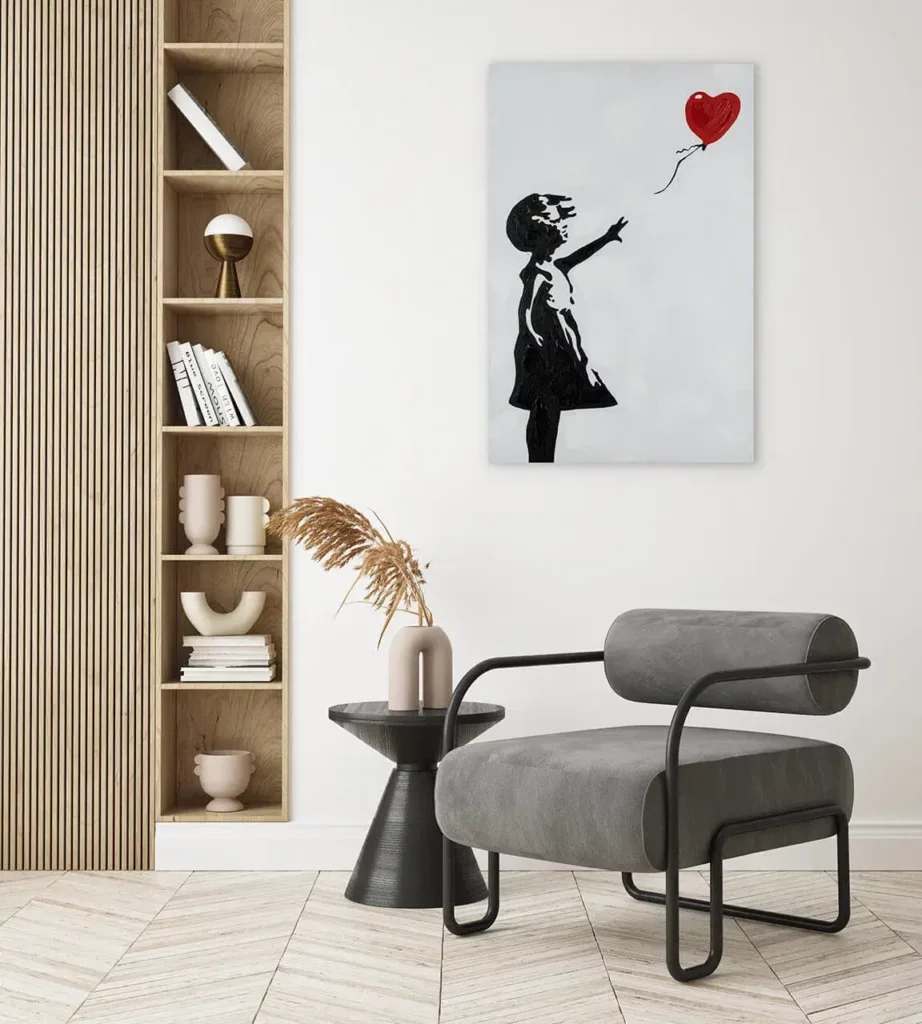
Banksy’s influence on Mr. Brainwash has been significant, serving as both a mentor and a source of inspiration for Guetta’s transformation into an artist. Banksy’s mysterious, provocative style deeply impacted Guetta, motivating him to develop his own artistic voice. While both artists utilize stencils and street art techniques, focusing on social commentary and cultural critique, their tones differ markedly. Banksy often adopts a darker, more satirical approach, while Mr. Brainwash emphasizes positivity and celebration, setting their artistic identities apart. The documentary Exit Through the Gift Shop, directed by Banksy, played a crucial role in launching Mr. Brainwash’s career. The film, which chronicles Guetta’s evolution from filmmaker to artist, brought him international recognition and effectively catapulted him into the spotlight. This exposure not only validated Mr. Brainwash’s work but also established him as a prominent figure in the contemporary art world, highlighting the profound impact of Banksy’s mentorship.


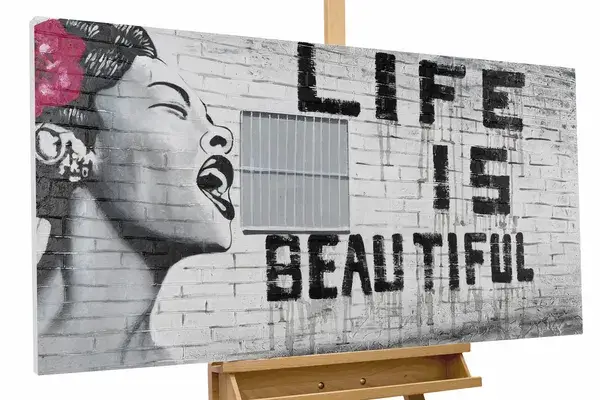
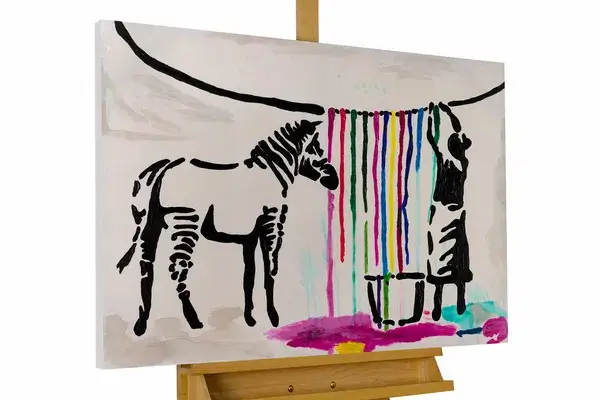


Pop Art Pioneers
Mr Brainwash draws significant inspiration from the pioneers of Pop Art, particularly Andy Warhol and Roy Lichtenstein. Warhol’s use of repetition and mass media imagery has had a profound influence on Mr Brainwash’s work. Warhol’s iconic approach to replicating images of celebrities and consumer goods can be seen in Mr Brainwash’s frequent use of famous figures and cultural symbols, creating a visual language that speaks to the ubiquity of media in contemporary society. Similarly, Roy Lichtenstein’s comic-strip style and bold colours are evident in Mr Brainwash’s vibrant, graphic compositions. Lichtenstein’s use of Ben-Day dots and his focus on popular culture themes resonate deeply in Mr Brainwash’s playful and visually striking artworks.

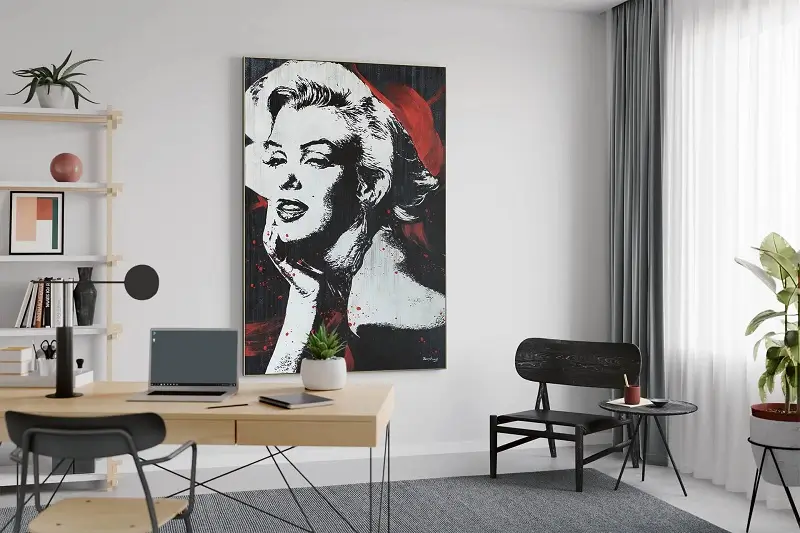
Contemporary street artists
Mr Brainwash is also influenced by contemporary street artists, particularly Shepard Fairey. Fairey’s political and social themes inspire Mr Brainwash to incorporate messages of hope and positivity into his art. The use of striking imagery combined with powerful text in Fairey’s work is mirrored in Mr Brainwash’s pieces, where visual and verbal elements intertwine to convey a message. In addition, Mr Brainwash’s interaction with the global street art community allows for an ongoing exchange of ideas and techniques, further enriching his artistic practice.



Cultural and historical references
A hallmark of Mr Brainwash’s art is his use of well-known cultural icons such as Marilyn Monroe, Albert Einstein and Mickey Mouse. These figures are re-imagined in a modern context, fusing historical imagery with contemporary pop culture. This integration creates a dialogue between past and present, celebrating the enduring impact of these icons while inviting viewers to reconsider their relevance in today’s world.
Where to Find Pop-Art Pieces inspired by Mr Brainwash?
Discover the perfect home furnishings inspired by Pop Art and the iconic works of Mr Brainwash. At KUNSTLOFT, we are your one stop shop for infusing your home with the bold and dynamic energy of Pop Art. Our carefully curated selection includes hand-painted Pop Art pieces, eye-catching wallpapers and unique porcelain objects that capture the innovative spirit of artists like Mr Brainwash. Whether you’re looking to make a bold statement with a large-scale mural or add subtle pop art-inspired accents to your decor, KUNSTLOFT has a comprehensive range to enhance your living space. Explore our magazine for more inspiring decorating ideas, keep up to date with the latest trends and never miss out on exclusive discounts and offers by subscribing to our newsletter. Transform your home into a vibrant, artistic haven with KUNSTLOFT’s exclusive collection.
Frequently Asked Questions
Critics often question Mr Brainwash’s authenticity, debating whether his success is due to genuine talent or the influence of Banksy and the hype generated by Exit Through the Gift Shop. While some see him as a playful disrupter of art norms, others see his work as derivative and lacking the deeper social critique that characterises Banksy’s art.
Since his initial success, Mr Brainwash has continued to produce vibrant, large-scale works, often incorporating pop culture references and positivity. He has expanded his portfolio with international exhibitions and collaborations, including projects that combine art and philanthropy, although he remains a polarising figure in the art world.
Mr Brainwash’s commercial success has contributed to both his fame and the scepticism surrounding his work. While some in the street art community see him as a sell-out, others appreciate how he has brought street art into the mainstream, blurring the lines between high art and popular culture.
Picture credits: @KunstLoft @Kim Leng Hills – Youtube.com @theThrashLab – Youtube.com @CreamDream – Youtube.com