Watercolour Painting: Techniques and Tips for Beginners
Watercolour painting, with its balanced blend of vibrant colours and delicate textures, has fascinated artists for centuries. It is a medium that offers both challenges and successes, making it an excellent choice for beginners who want to embark on a creative journey.
In this guide, we dive into the world of watercolour techniques and teach you the basic skills to start your painting endeavours.
Watercolour painting is a method in which pigments are applied in a water-based solution. Unlike oil or acrylic paints, watercolours are translucent, giving the artwork a unique depth and vibrancy. Imagine the soft hues of a morning sky or the luminous shades of a sunset – that is the magic of watercolour.
Why Watercolour?
Watercolour is versatile, handy and beginner-friendly. It is perfect for those who like to experiment. The unpredictable nature of water can lead to beautiful surprises on paper.
Essential Utensils for Watercolour Painting
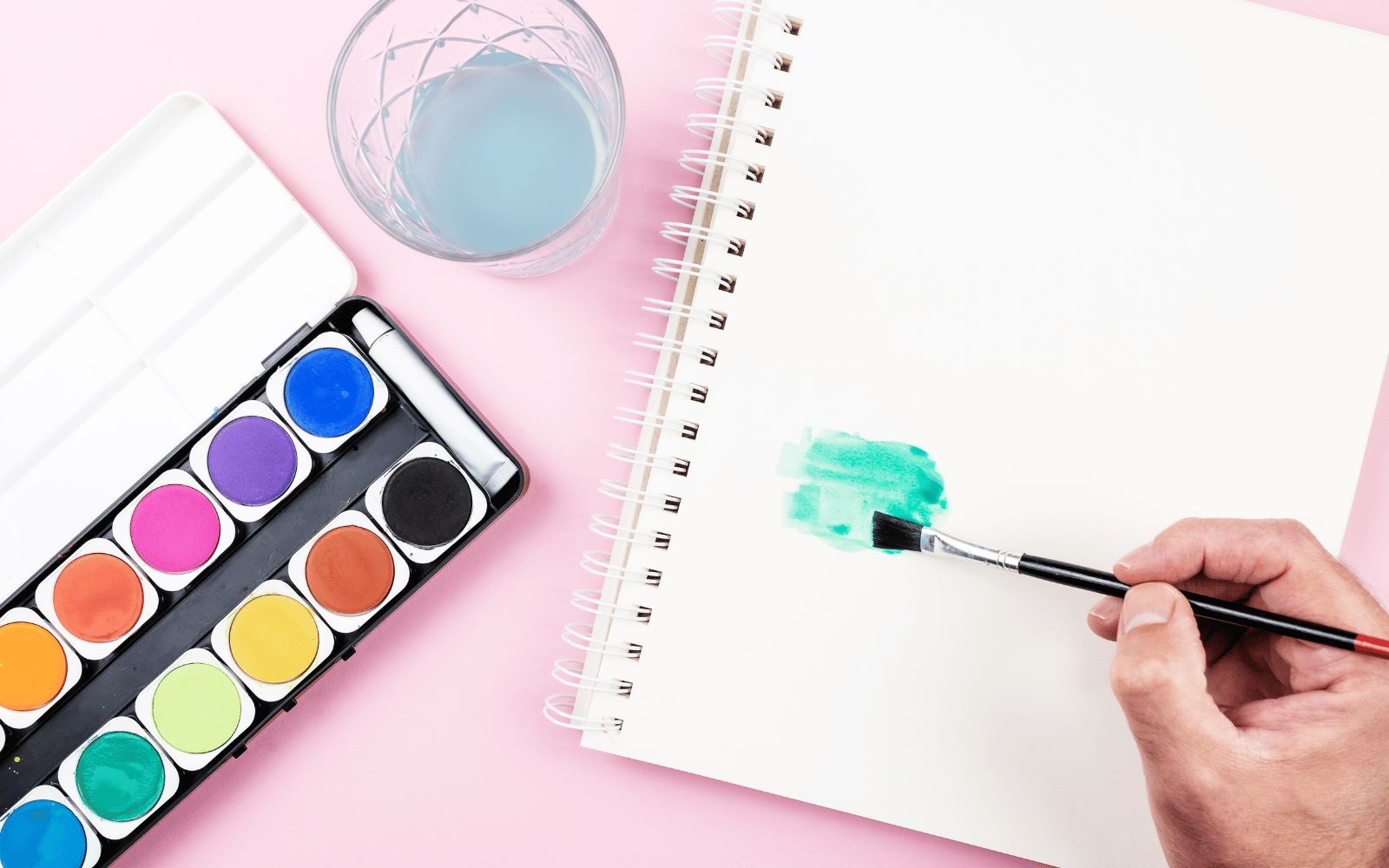
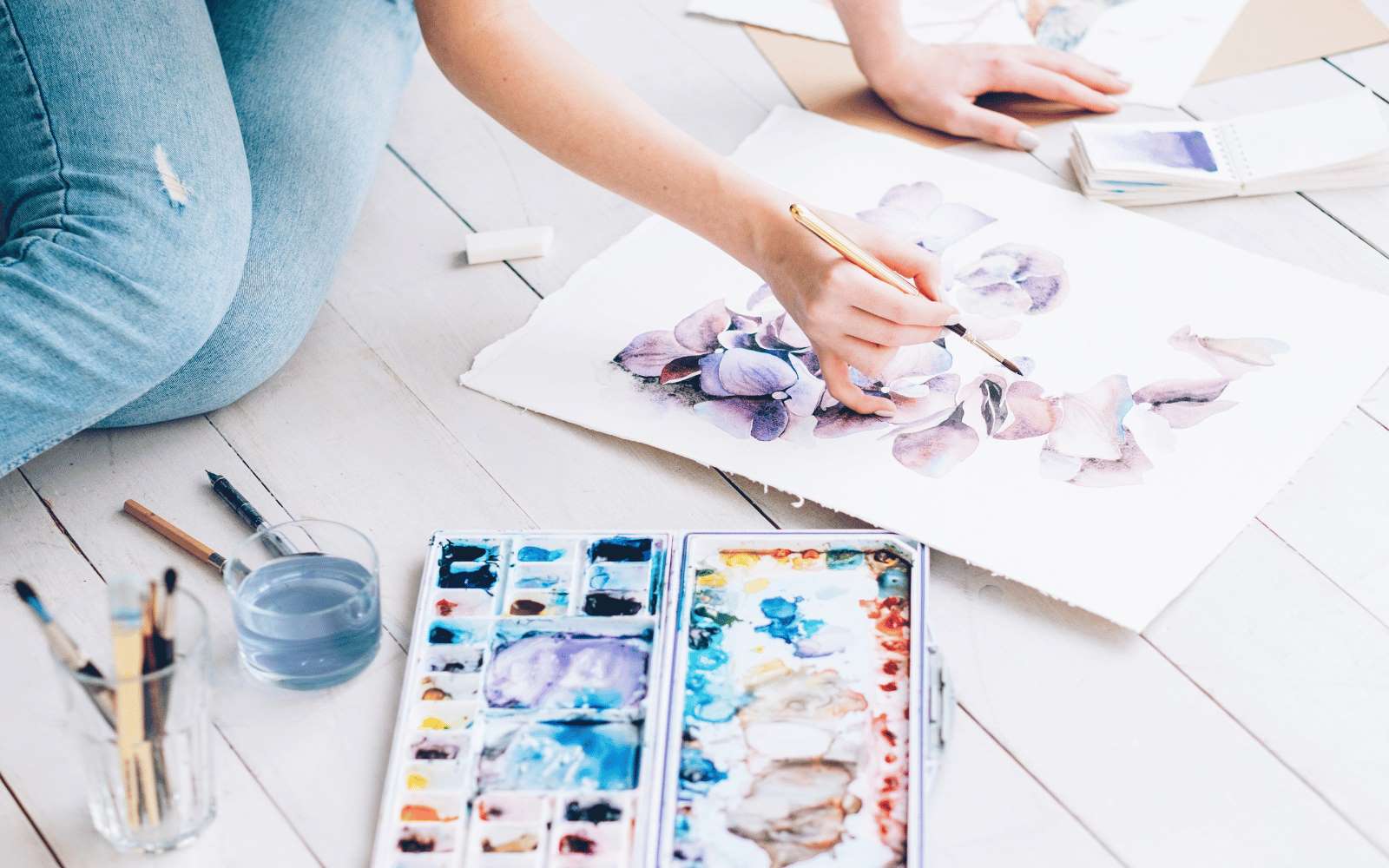
Before diving into the world of watercolour, it is essential to gather the right materials such as brushes, paper, paints, etc.
Brush
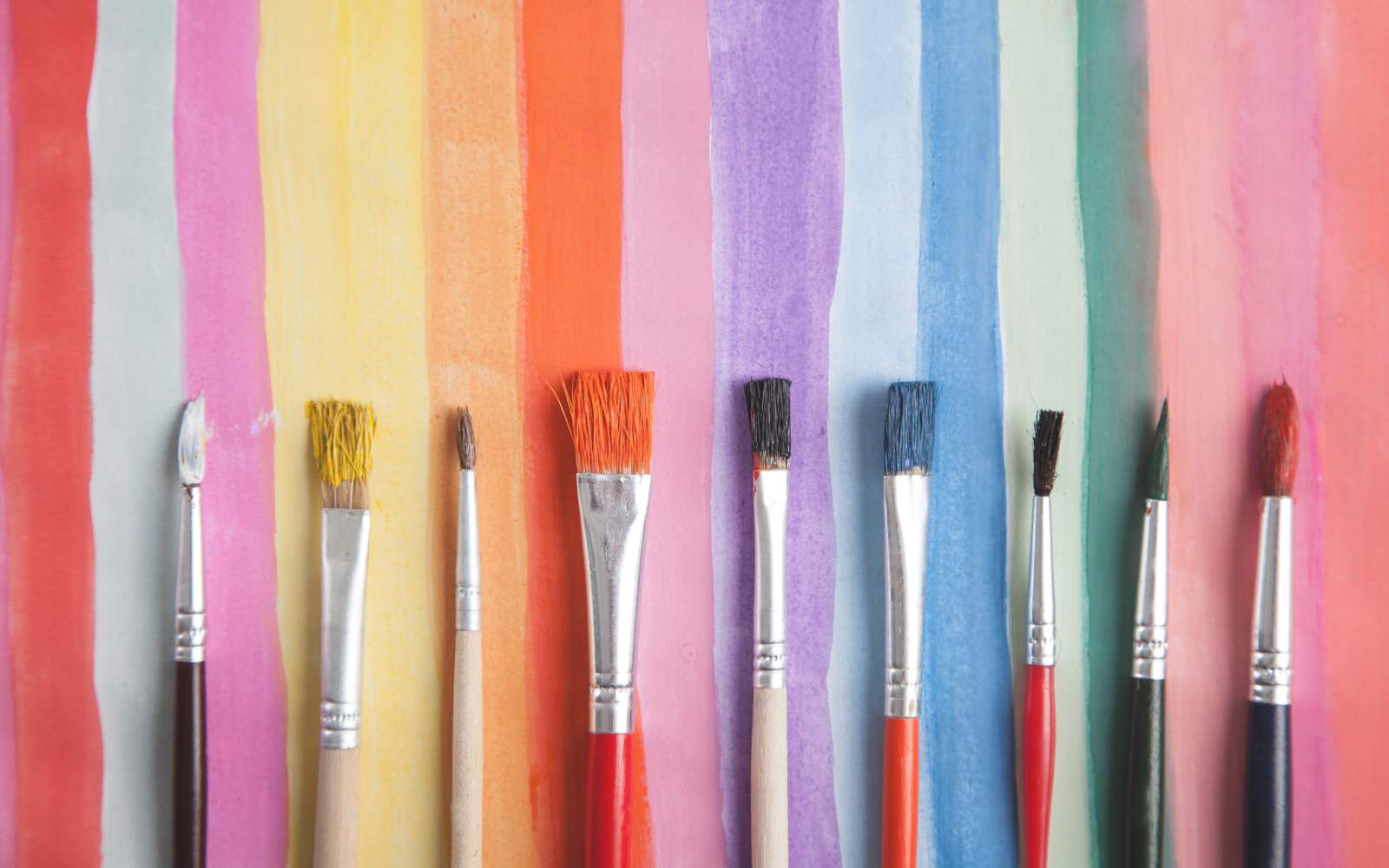
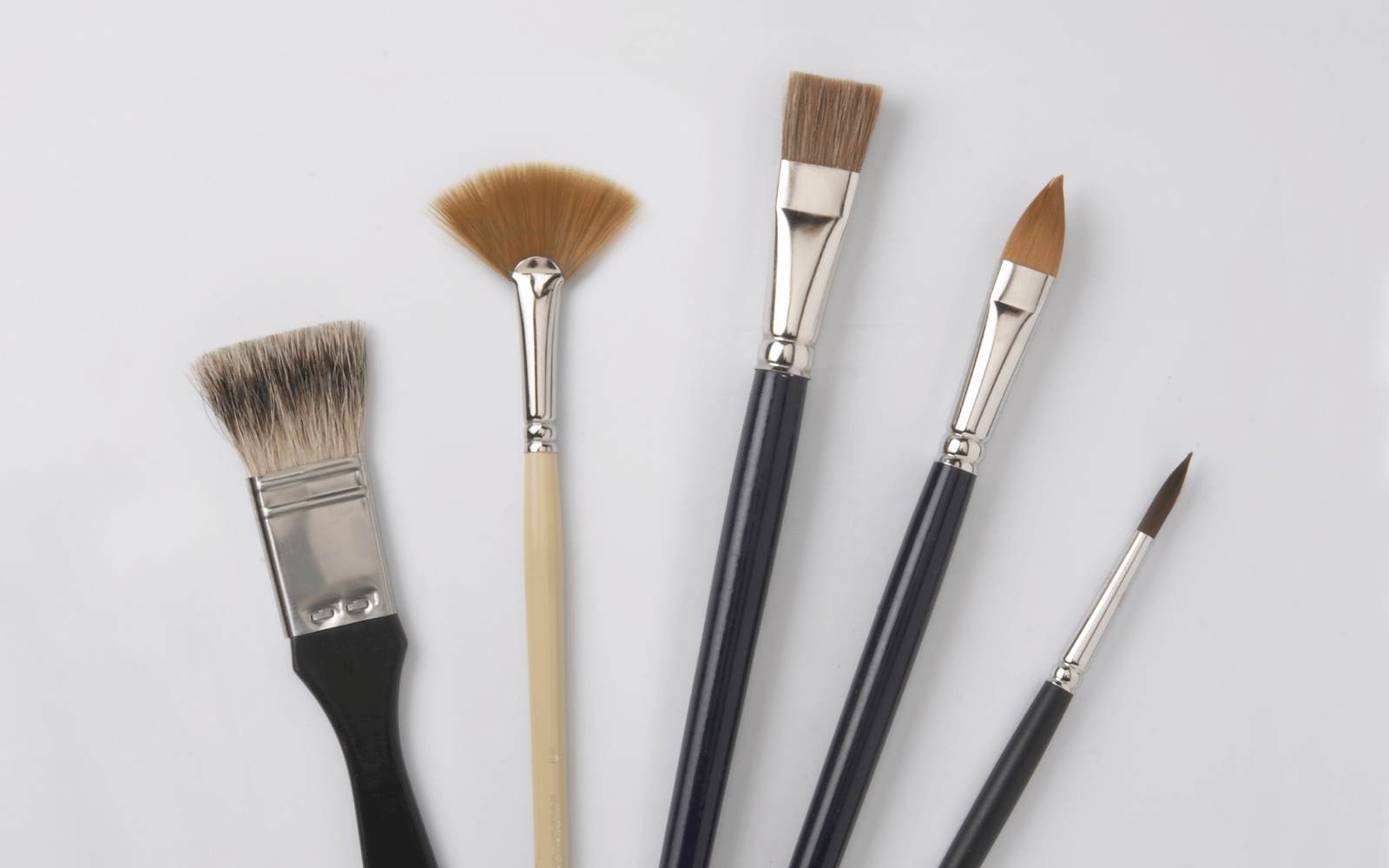
Brushes are indispensable tools for watercolour painters. They come in various shapes and sizes, made of natural hair or synthetic fibres that absorb colour and water and release them onto the paper, allowing for a variety of lines, details and effects.
Round brushes: These are the most versatile brushes for watercolour painting. They have a pointed tip that is perfect for fine lines and details, while the thicker part can be used for broader strokes. They come in different sizes, from very fine to thick.
Flat brushes: These brushes have an angular end and are ideal for filling in large areas, creating sharp edges or even drawing thin lines with the edge of the brush.
Mop brushes: They are large, round and fluffy and can absorb a lot of water. They are perfect for applying large amounts of paint or water.
Rigger or tug brushes: These brushes have long, thin bristles and are used for fine details, such as twigs or hair.
Watercolour paper
A special absorbent paper that can absorb water-based inks without warping and has different textures and thicknesses to allow for different artistic techniques and effects.
Cold pressed: This is the most popular variant and offers a medium texture that is suitable for both detailed work and washes. It is somewhat reminiscent of the texture of an orange peel.
Hot pressed: This paper is smooth and great for detailed work, such as portraits or illustrations, that require fine lines and precision. Think of the paper as the silky texture of a polished stone.
Rough: This type of paper has the most pronounced texture among watercolour papers. The irregular surface captures the pigment in a unique way, creating varied and textured effects in the artwork.
Colours
Coloured substances, either in liquid or solid form, used to apply paint to surfaces, with variations in consistency, pigmentation and quality to achieve different artistic effects.
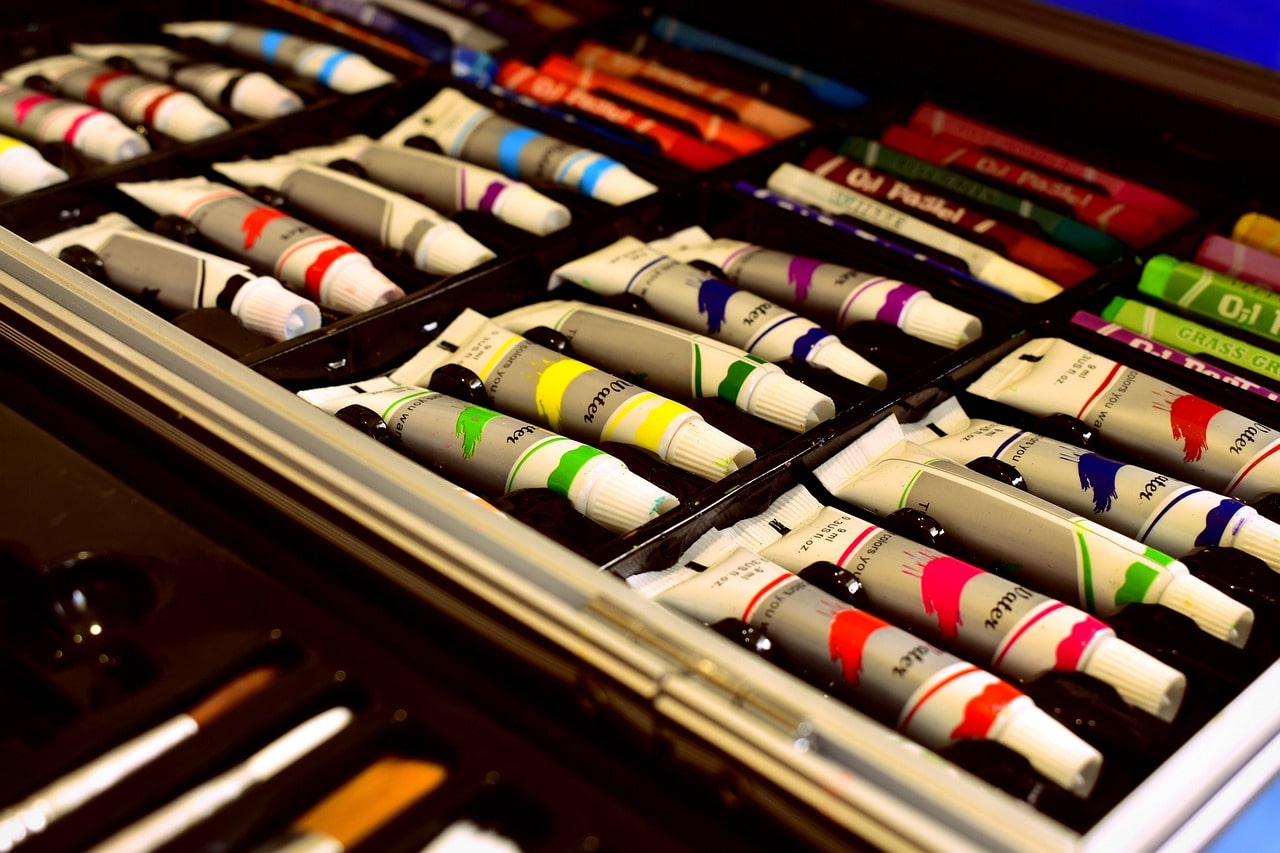
Tubes: These offer colour in a creamy consistency. They are perfect for mixing large amounts of paint and the colour can be more vibrant straight from the tube.
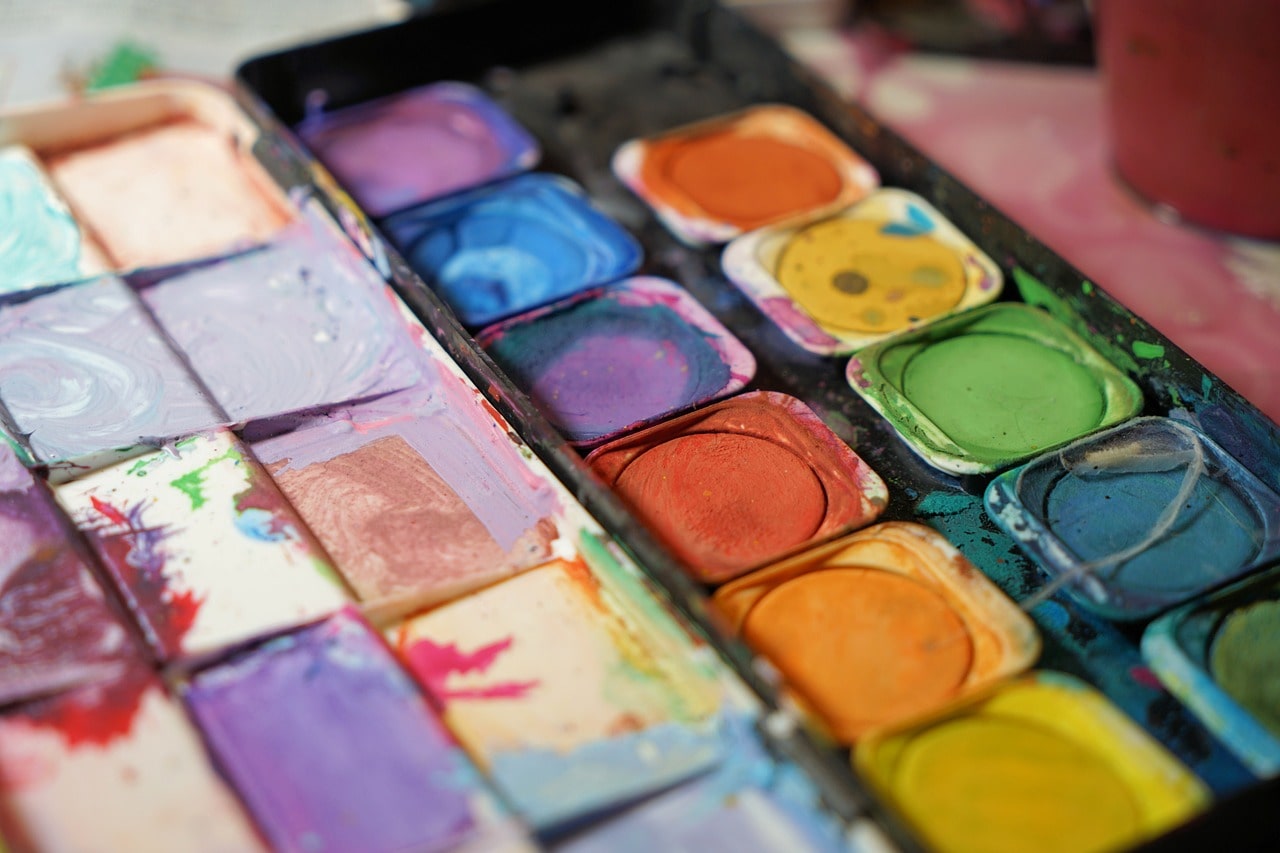
Pans: These are solid blocks of colour that are ideal for transport. They come in “full pans” and “half pans”. The crucibles require a little more work to absorb the colour, but they are less wasteful.
Additional materials
Additional tools and accessories used in the painting process to improve techniques, maintain cleanliness and achieve certain effects.
Palette: It is essential for mixing colours. Some have recesses or sections to keep the colours separate.
Water containers: You need at least one container for clean water and another for washing out the brushes.
Paper towels or rags: These are handy for dabbing brushes or removing paint from paper.
Masking fluid: This is used to protect white areas of the paper that should not come into contact with the ink.
Tape or staples: These help to secure the paper to the substrate, especially if it is not secured in a block, to prevent warping.
Understanding Basic Watercolour Techniques
Watercolour techniques are at the heart of fascinating paintings. These methods use the unique properties of watercolour to create different effects and textures that add depth and an interesting appearance to your artwork.
Wet-on-wet technique
The wet-on-wet technique involves applying wet paint to a wet surface. The result is soft transitions and seamless colour gradients that are ideal for creating dreamy landscapes and expressive backgrounds.
Dry brush technique
Unlike the wet-on-wet technique, the dry brush technique uses very little water on a dry surface. This technique is perfect for bringing fine detail and texture to your images.
Layering and glazing
In layering, the colours are built up gradually by allowing each layer to dry before adding the next. Glazing, on the other hand, involves layering transparent colours to create depth and richness.
Mastering Brushwork Techniques
Unlock the true potential of your watercolour paintings by delving into the world of brushwork.
Washes and colour gradients
Creating a smooth colour transition, called a wash, is a fundamental skill. Gradients, a type of blurring, can give your backgrounds a soft and gradual colour shift that adds depth and dimension.
Detail design and fine lines
With the right brush and technique, intricate details can be brought to life. Whether it’s the fine lines of a distant fence or the subtle features of a portrait, mastering this skill is crucial.
Tips for Beginners
Getting started in watercolour painting can be both exciting and daunting, but with the right tips and a dash of patience, any beginner can turn their sheet of paper into a masterpiece.
Mixing colours: Understanding colour theory is crucial. Start by mixing primary colours to get a feel for creating secondary and tertiary colours.
Preserve white: With watercolour, the white of the paper is your white. Use masking fluid or simply plan ahead to keep areas colourless.
Layering: Patience is the key! Let each layer dry before adding another. This provides depth and prevents the colours from smudging.
Avoiding Common Mistakes
Overworking the painting can cause the colours to become muddy and lose vibrancy. Similarly, using too much water or paint can lead to unintended effects. Planning your composition in advance can protect you from these common pitfalls.
Try Out Different Watercolour Styles
As you progress, you will discover different styles of watercolour painting, from traditional to modern approaches. Engage in experimentation and you will find your own unique style that resonates with your artistic expression.
Enjoy the Creative Journey
Watercolour painting is a journey of discovery. Embrace the mistakes, rejoice in the successes, and above all, enjoy the process. Remember that every artist was once a beginner. Your masterpiece is waiting for you!