
Modern Stone Art:
Techniques and Materials Revealed!
Stone art has evolved from ancient carvings and statues to contemporary masterpieces, combining tradition with innovation. Originally functional and decorative, stone art now benefits from technological advances, introducing new tools and techniques that enhance creativity and precision. This fusion of ancient craftsmanship and modern technology has transformed stone art into a sophisticated and captivating form.
The Evolution of Stone Art
From ancient carvings and statues to contemporary masterpieces, stone art has a long history. Originally, stone art began with primitive sculptures that served both functional and decorative purposes. Over time, the art form has changed significantly and now combines traditional methods with modern innovation to create sophisticated works of art. The advent of technology has played a crucial role in this evolution, revolutionising stone art by introducing new tools and techniques. These advances have allowed artists to push the boundaries of creativity and precision, resulting in pieces that are more intricate and expressive than ever before. By integrating digital design and modern equipment, today’s stone artists can achieve a level of detail and accuracy that was once unimaginable, demonstrating the perfect harmony between age-old craftsmanship and cutting-edge technology. This journey through time demonstrates how the art of stone continues to evolve, captivating audiences with its enduring beauty and innovation.
Essential Materials Used in Stone Art
The materials chosen for stone art have a significant impact on the final piece. Here are the primary stones used and the tools needed to shape them.
Marble
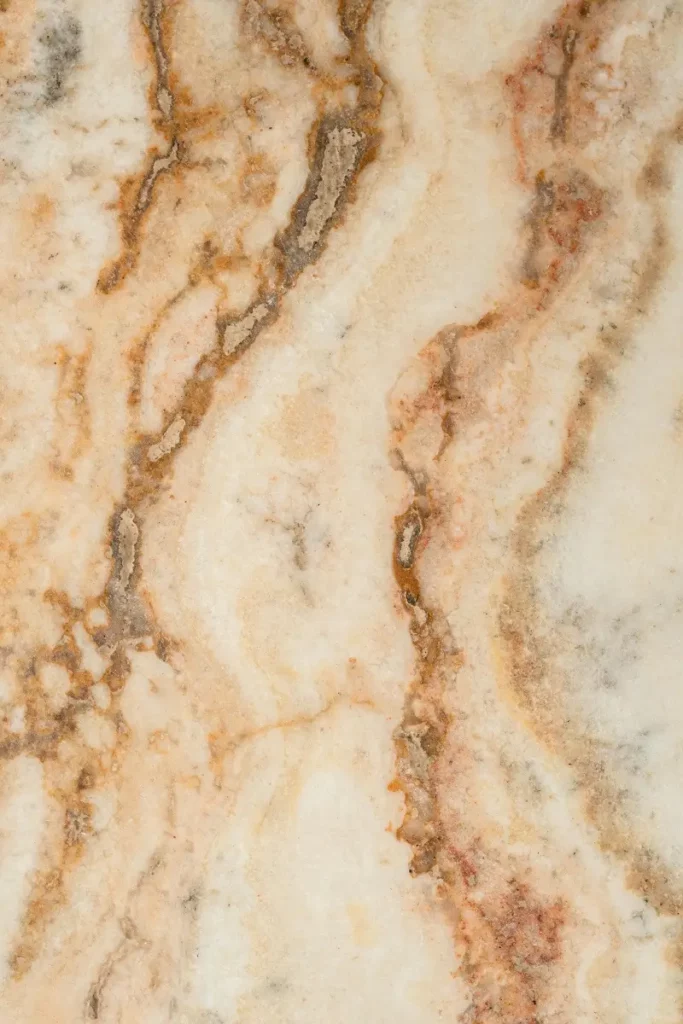
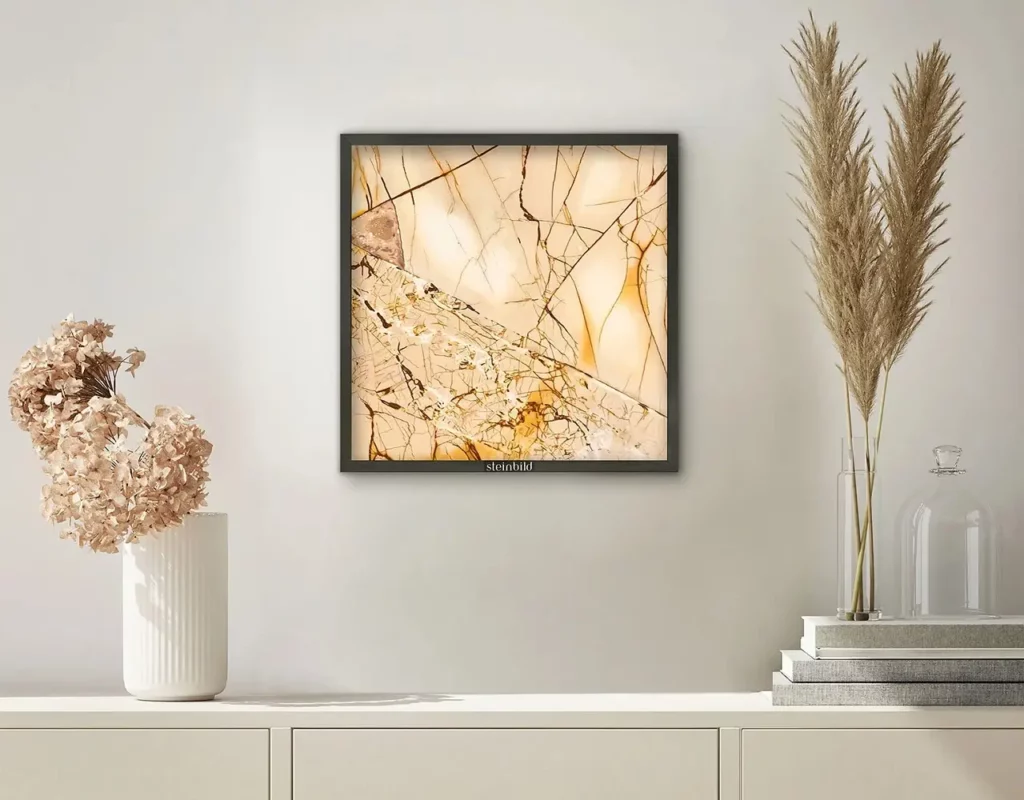
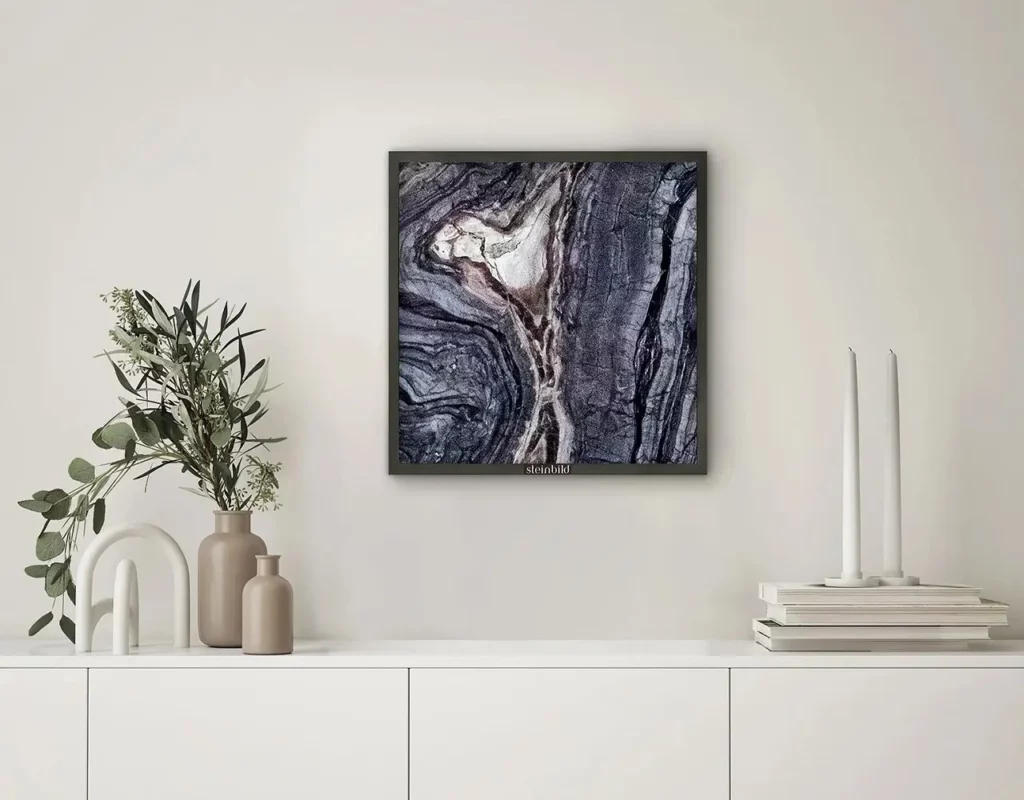
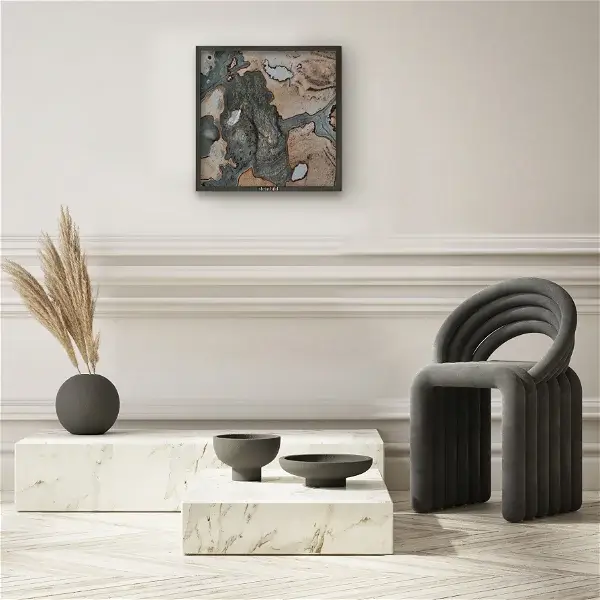
Marble is a quintessential material in the world of stone art, celebrated for its smooth texture and timeless appeal. Renowned for its elegant appearance, marble offers a unique blend of durability and beauty, making it an ideal choice for artists. Its fine grain allows for intricate detailing, enabling sculptors to create precise, delicate designs that are both sophisticated and visually stunning. The natural veins and patterns within marble add an organic aesthetic, ensuring that each piece is unique. This versatility makes marble perfect for a wide range of artistic expressions, from classical sculpture to contemporary installations. In addition, its ability to take a high polish enhances its luxurious finish, reflecting light in a way that adds depth and dimension to the artwork. Whether used in grand monuments or small decorative pieces, marble’s enduring charm continues to captivate and inspire artists and art lovers alike.

Granite
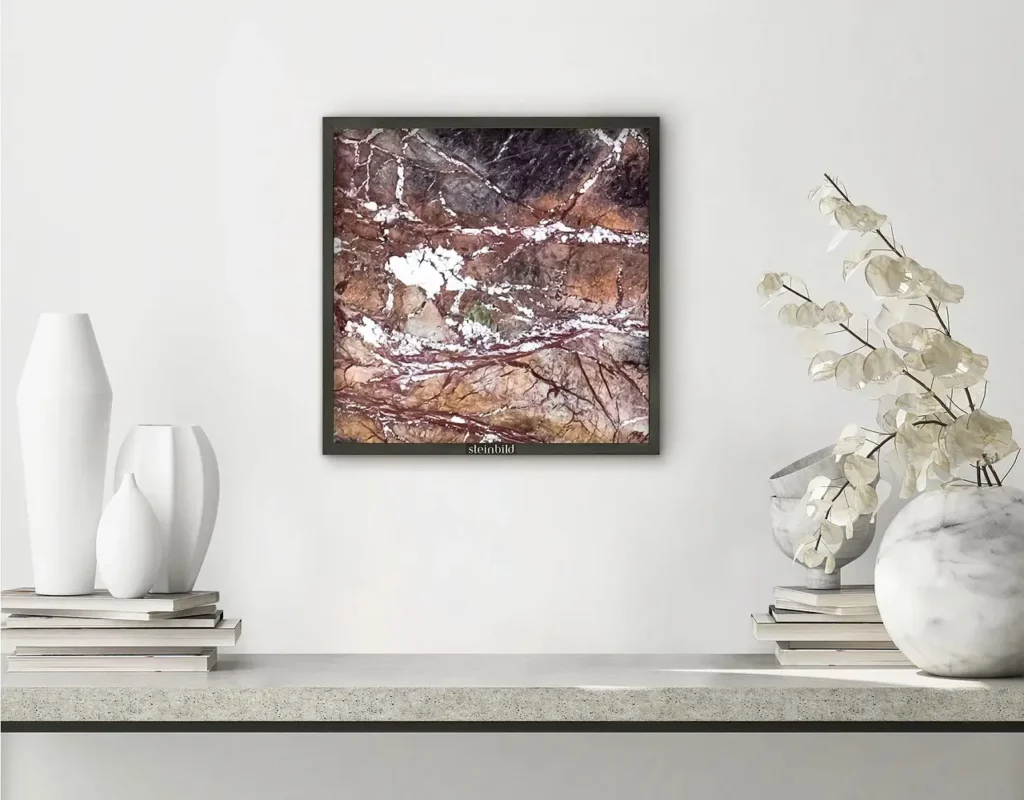
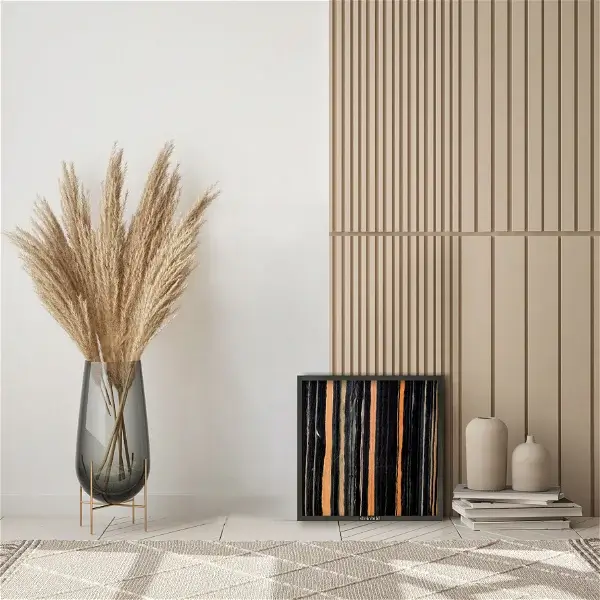
Granite is highly prized in stone art for its remarkable durability and stunning range of colours and patterns. This resilient material can stand the test of time, making it an excellent choice for both indoor and outdoor installations. Its robust nature ensures that granite sculptures and installations can withstand various environmental conditions without losing their integrity or beauty. The diverse colour palette, ranging from subtle whites and greys to rich reds and deep blacks, allows artists to choose hues that perfectly complement their design vision. Intricate patterns and natural veining give each piece a unique character, making granite not only a durable option, but also an aesthetically captivating one. Whether used in grand architectural features, elegant indoor sculptures or outdoor garden features, granite’s blend of strength and beauty provides a timeless appeal. Its ability to combine robustness with visual elegance makes granite a favoured medium for artists seeking to create enduring, impactful works.


Slate
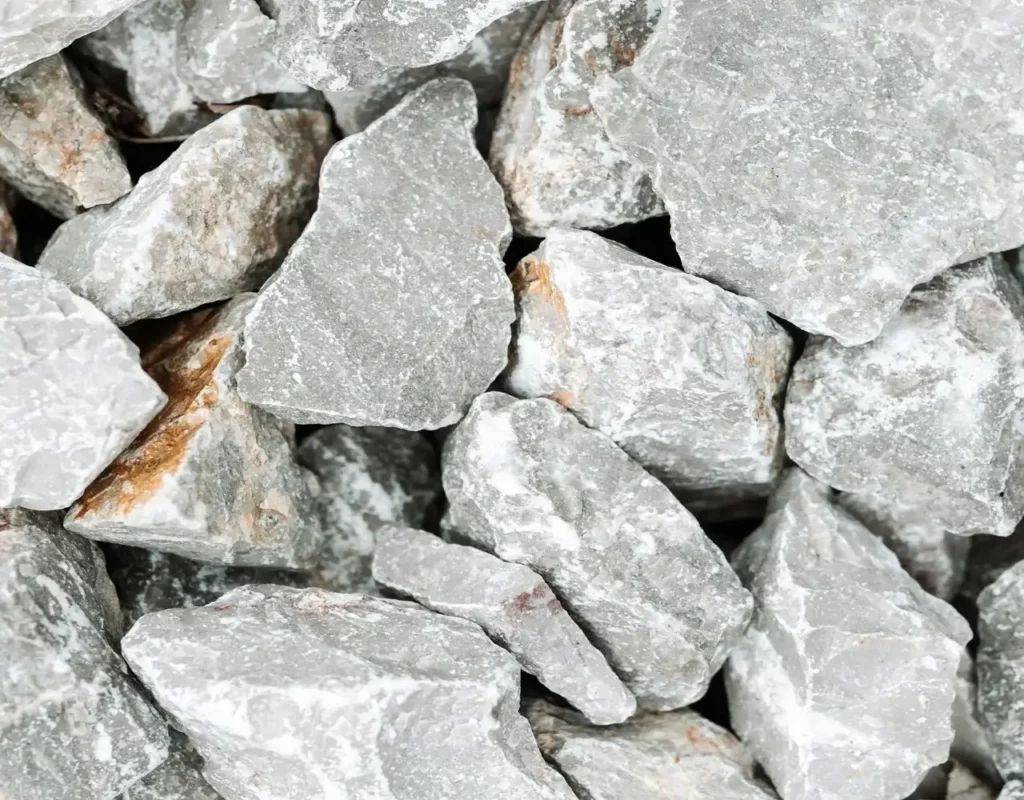
Slate is a popular material for stone art due to its natural layers and rich colours, making it ideal for both rustic and contemporary pieces. Its layered structure gives it a unique texture that adds character to any piece of art. Slate’s palette ranges from deep blacks and greys to vibrant greens, blues and purples, offering artists a versatile medium to work with. This variety of colour and texture allows slate to blend seamlessly into a wide range of design aesthetics, from the earthy charm of rustic settings to the sleek sophistication of modern spaces. The tactile quality of slate enhances the visual and sensory experience of the artwork, making each piece a tangible encounter as well as a visual delight. In addition, slate’s durability and ease of maintenance make it practical for both indoor and outdoor installations, ensuring that its beauty endures over time. Its natural elegance and adaptability continue to inspire artists to create timeless, captivating works.

Tools and Equipment
Traditional Tools
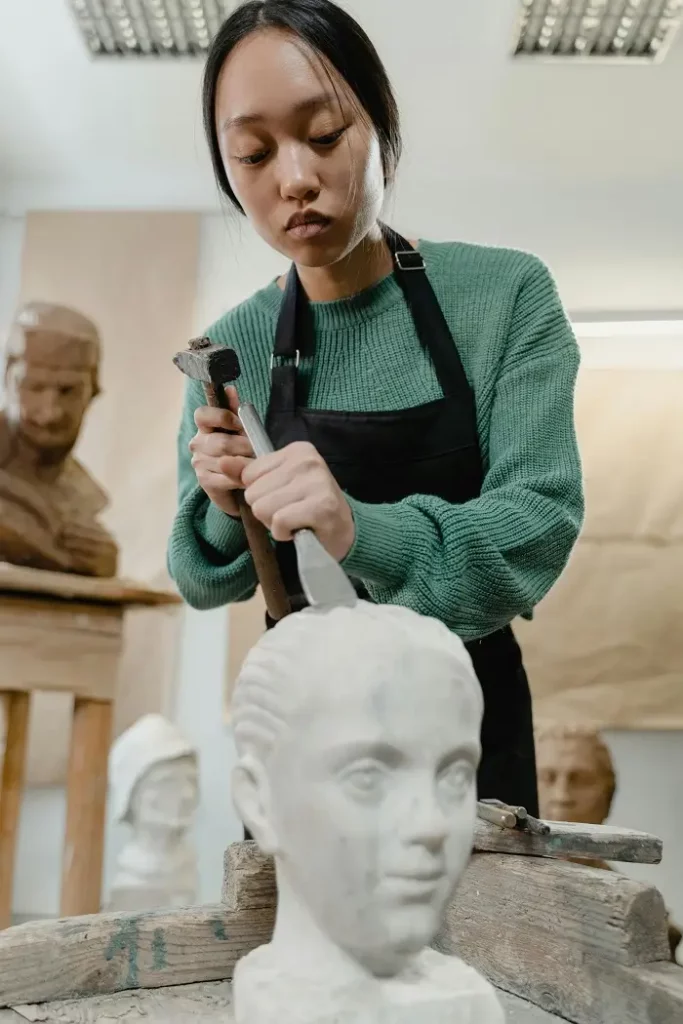
Traditional stonemasonry tools such as chisels, hammers and rasps require exceptional skill and precision. These tools are essential to the shaping and finishing of the stone and emphasise the craftsmanship of the artist. Each tool serves a specific purpose, from rough shaping to fine detailing, ensuring the artist can bring their vision to life with meticulous attention to detail.
Modern Tools
Modern stone artists use power tools and advanced equipment such as angle grinders and rotary tools. These tools allow for more intricate and faster work, enabling artists to achieve detailed designs with greater efficiency. These technological advances increase the precision and complexity of stone art, pushing creative boundaries and enabling artists to more effectively bring their visions to life.
Techniques in Modern Stone Art
Let’s explore the diverse techniques used by today’s stone artists, from precision carving and polishing to the incorporation of mixed media. These methods transform raw stone into intricate, expressive art, showcasing their creativity and technical mastery.
Carving Techniques
Relief Carving
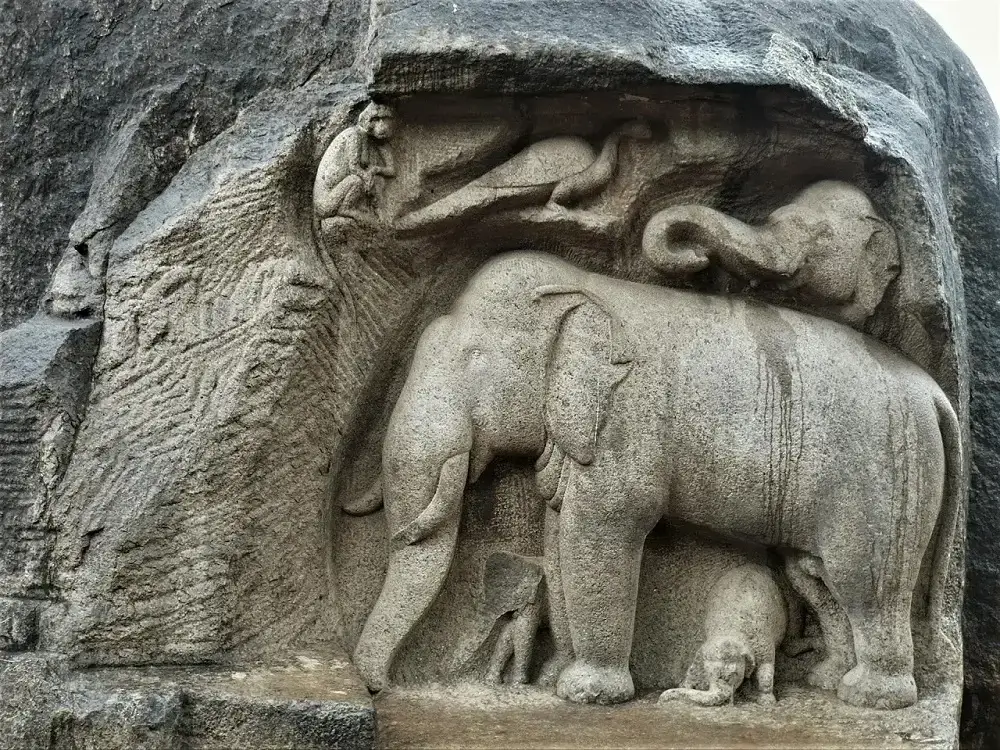
Relief carving is a technique in which artists create raised designs on a flat stone surface. This method involves meticulously chipping away the background, allowing the design to stand out prominently. It’s perfect for detailed and expressive artwork, as it allows artists to play with depth and shadow, enhancing the visual impact. Relief carving can range from shallow, low relief to more pronounced, high relief, each offering a unique way to bring intricate patterns and scenes to life with striking detail.
In-the-Round Carving
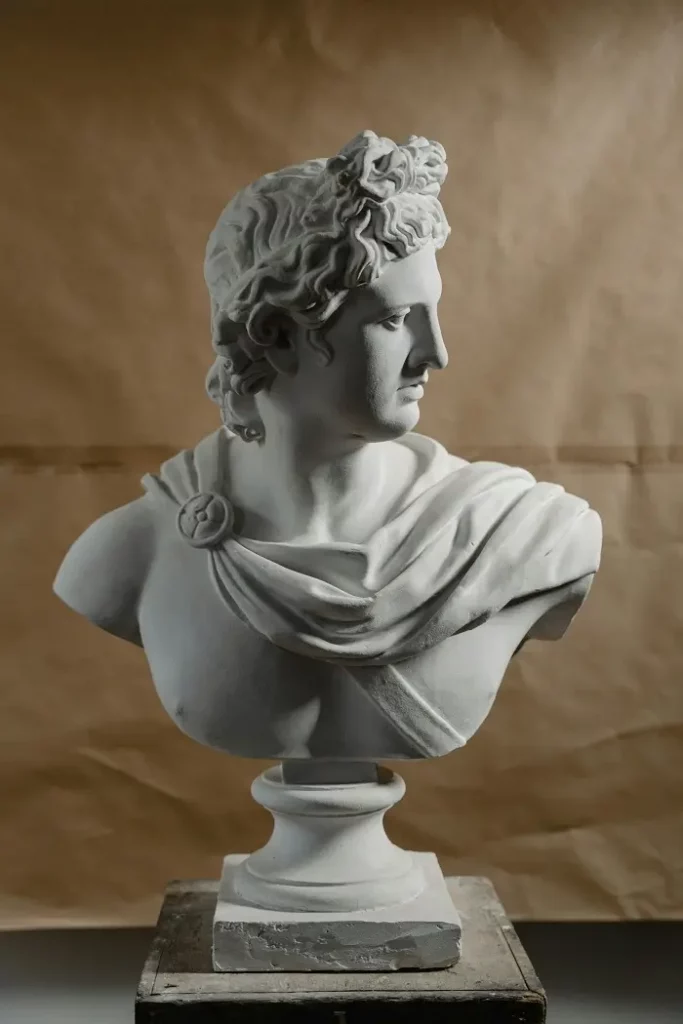
In-the-round carving is a technique used to create free-standing sculptures that can be admired from any angle. Unlike relief carving, this method involves sculpting all sides of the stone, making it a challenging but highly rewarding process. It requires exceptional skill and precision as the artist must consider the shape and balance of the piece from every perspective. This technique allows for full three-dimensional expression, demonstrating the artist’s ability to capture intricate detail and lifelike representations in their work.
Polishing and Finishing
Polishing and finishing are essential steps in the art of stone, crucial to enhancing the natural beauty of the stone. Artists meticulously use various abrasives and polishing compounds to smooth the surface and bring out the stone’s inherent lustre. This process not only brings out the intricate details and colours of the stone, but also protects the piece from wear and damage. Achieving a polished finish requires skill and patience, resulting in a stunning, lustrous surface that enhances the overall aesthetic appeal of the artwork.
The Role of Digital Technology in Stone Art
Digital technology is revolutionising stone art, offering new possibilities for design and execution. Advanced tools such as CAD software and CNC machines enable artists to create intricate, precise designs, pushing the boundaries of creativity and increasing the efficiency of their craft.
Digital Design and Modeling
Digital design and modelling are revolutionising stone art by allowing artists to visualise their creations before the physical process begins. Using software tools, artists can plan intricate details and experiment with different designs, significantly reducing errors and material waste. This technology not only increases precision, but also fosters creativity, allowing artists to explore innovative concepts and make adjustments easily. The result is a more efficient workflow and the ability to produce more complex and refined artwork that pushes the boundaries of traditional stone carving.
CNC Machines and Automation
CNC machines and automation have transformed the art of stone carving, making it possible to carve complex designs with unprecedented precision and speed. These advanced machines use computer-controlled movements to meticulously shape stone, allowing artists to achieve intricate details that were previously impossible by hand. This technology not only improves the accuracy and consistency of the artwork, but also significantly reduces production time. As a result, artists can focus more on the creative aspects of their work and push the boundaries of traditional stone carving.
Inspiring examples of Modern Stone Art
Modern Stone Art features inspiring works that highlight the creativity and innovation of contemporary artists. These pieces combine traditional techniques with new technologies, resulting in unique and captivating artworks that push the boundaries of artistic expression.
Renowned Artists and Their Works
Renowned artists like Andy Goldsworthy and Barbara Hepworth have profoundly impacted the world of stone art. Goldsworthy is celebrated for his ephemeral, nature-inspired installations that beautifully integrate stone into the landscape. Hepworth, a pioneer in modern sculpture, is known for her abstract, organic forms that explore the relationship between mass and space. Their works captivate and inspire, demonstrating the versatility and expressive potential of stone as a medium. These artists have set new standards, influencing countless others in the field of contemporary stone art.
Innovative Stone Art Installations
Innovative stone art installations showcase the versatility of the material and its significant impact on modern design and architecture. Large-scale public art projects are transforming urban landscapes, blending seamlessly with their surroundings while making powerful artistic statements. These installations demonstrate the adaptability of stone, from creating intricate, detailed sculptures to massive, awe-inspiring structures. By integrating stone art into public spaces, artists not only enhance aesthetic appeal, but also engage communities, create shared cultural experiences and redefine the role of contemporary art in everyday life.
Frequently Asked Questions
Quarrying stone for art has significant environmental impacts, including habitat destruction, water pollution and carbon emissions. Modern stone artists can mitigate these impacts by sourcing materials from environmentally responsible quarries that use sustainable extraction methods. Reusing reclaimed stone and choosing local sources also reduces the environmental footprint. In addition, artists can advocate for and participate in industry initiatives focused on minimising environmental impact, ensuring that their art contributes to conservation efforts.
Modern stone art is deeply influenced by cultural and historical contexts. Contemporary artists often draw inspiration from ancient traditions, mythology and historical events and incorporate these elements into their designs. This fusion creates a dialogue between past and present, adding depth and meaning to their work. By reflecting on their cultural heritage and global art history, artists can infuse their work with rich narratives that resonate on a universal level.
Modern stone artists face many challenges, including the physical demands of carving, the high cost of quality materials, and the need for specialised tools and skills. Overcoming these hurdles requires dedication, continuous learning and innovation. Artists often undergo extensive training to master their craft and invest in advanced technology such as CNC machines to increase precision. Collaboration with other artists and professionals can provide support and new perspectives, helping them to push the boundaries of their creative abilities.
Picture credits: @KunstLoft @Marina Leonova – Pexels.com @Karolina Kaboompics – Pexels.com @Tima Miroshnichenko – Pexels.com @ Balaji Srinivasan – Pexels.com @Interestingengineeringofficial – Youtube.com @HepworthWakefield – Youtube.com @jamesparkersculpture – Youtube.com