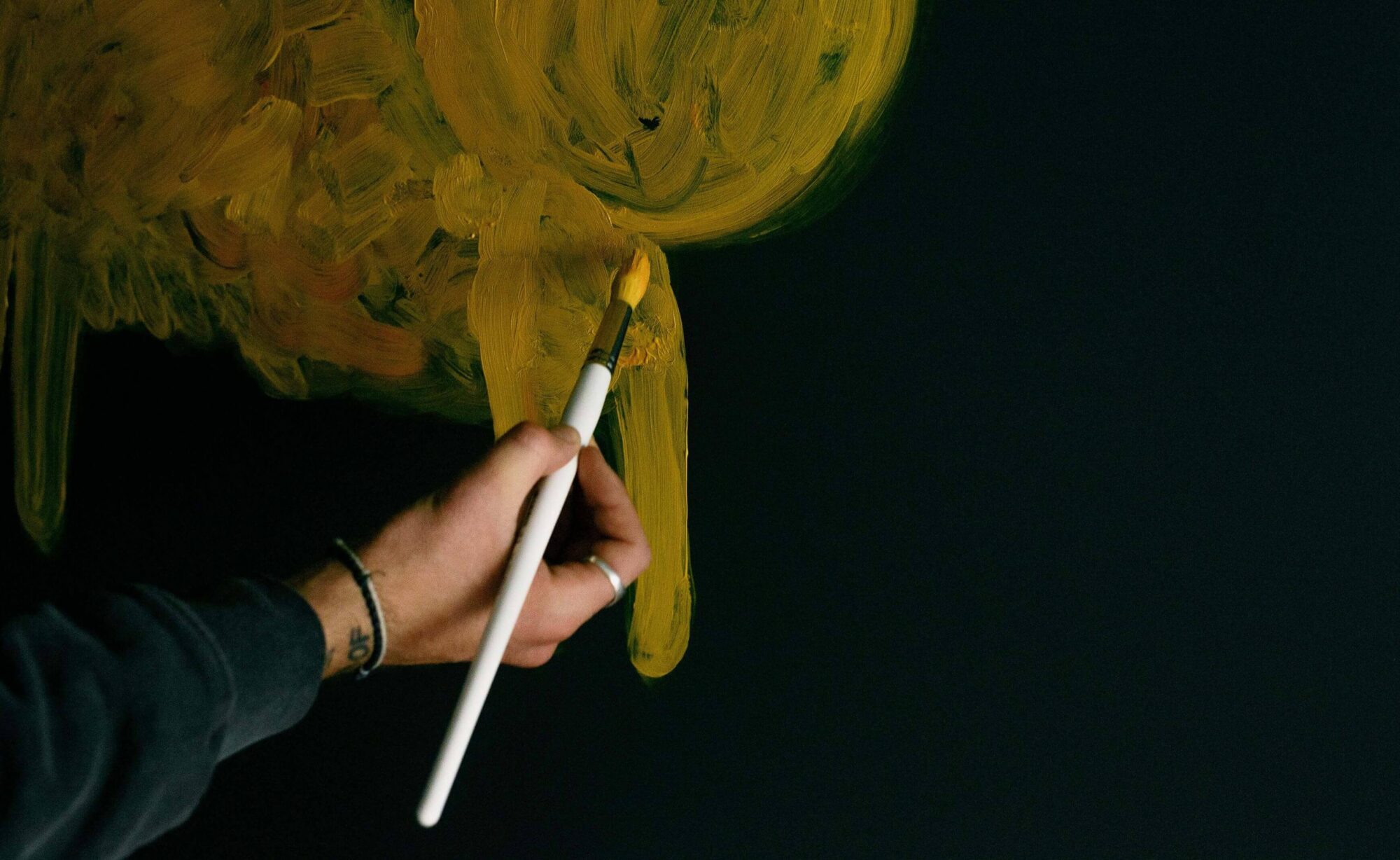
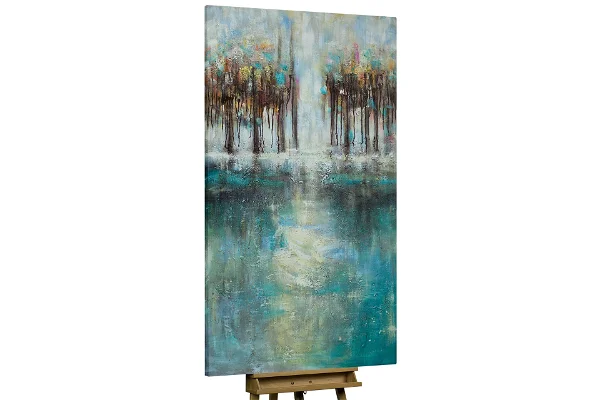
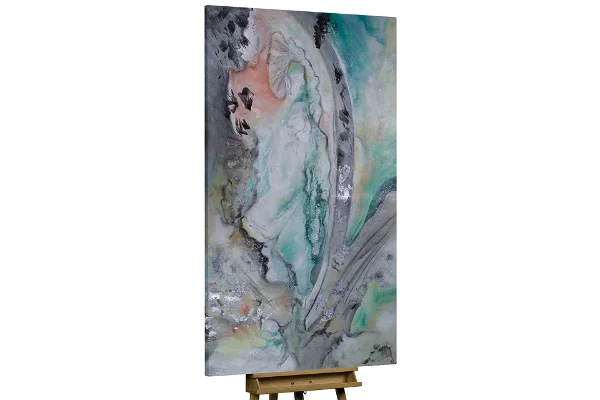
Oil paintings, known for their vivid colours and textures, are valuable additions to any home and require careful maintenance to preserve their beauty. But how do you properly care for and clean oil paintings to keep them in top condition? Our guide offers practical tips and methods for effectively maintaining your artworks at home and protecting them in the long term. Discover how simple steps can help you preserve your oil paintings from damage and maintain their radiant appearance for years to come.
Regular cleaning of oil paintings is crucial to remove dust and dirt that can accumulate over time. However, there is a fine line between professional cleaning and the cleaning that you can do at home. While light dust removal can often be safely done by oneself, deeper cleanings require the knowledge and skills of a professional.
Dust and dirt can not only impair the appearance of a painting but can also damage the colours and the material over the long term. Regular, gentle cleaning helps to extend the life of the painting and preserve its aesthetic quality.
Tips for DIY Cleaning of Oil Paintings
For maintaining oil paintings at home, gentle cleaning is crucial. You can safely remove light dust with a soft brush or a microfiber cloth. Avoid rubbing too hard to prevent damaging the layers of paint. For light dirt, a slightly damp microfiber cloth can be used. It’s important to avoid harsh cleaning agents to protect the colours and the canvas.
Step-by-Step Guide to Cleaning Oil Paintings
Here is a simple guide on how to safely and effectively clean your paintings at home.
Inspect the Painting: Before starting the cleaning process, inspect the painting for any damages or loose layers of paint.
Prepare the Work Area: Create a clean, well-lit area to safely place the painting.
Dust Removal: Use a soft brush or a microfiber cloth to gently remove dust from the surface of the painting.
Light Cleaning: For light dirt, a slightly damp microfiber cloth can be used. Avoid soaking the painting.
Drying: Allow the painting to air dry completely after cleaning before rehanging it.
Regular Inspection: Regularly check the painting for new damages or changes to intervene early if necessary.
Using Harmful Chemicals: A frequent mistake in cleaning oil paintings is using overly aggressive cleaning agents. These can cause irreversible damage.
Too Aggressive Rubbing and Pressure: Another error is rubbing too hard or applying too much pressure on the canvas, which can lead to cracks or damage the layers of paint.
Long-Term Care and Preservation of Oil Paintings
Optimal Storage Conditions: To preserve your oil paintings in the long term, it is important to store them in a climate-controlled room. Avoid direct sunlight, high humidity, and extreme temperature fluctuations.
Regular checks and maintenance: Conducting your own regular inspections can aid in detecting and resolving potential issues early on, preventing them from escalating into more serious concerns.
The Importance of Art Care
Ensuring the longevity and vibrancy of oil paintings goes beyond aesthetics—it’s about safeguarding the stories and emotions captured on canvas. As we delve into the art of proper cleaning and maintenance, we become stewards of not just beauty but also of the narratives and sentiments within these artworks. Embracing the art of caring for our paintings is a commitment to keeping their allure alive for the enjoyment and appreciation of generations to come.
It’s advisable to clean your oil painting every few years, depending on the environment. High-traffic areas or spaces with cooking fumes may require more frequent cleaning. Regularly inspect your artwork for dust and dirt accumulation.
Yes, you can clean an oil painting yourself. Use a soft brush or cloth with a mild soap and water solution. Be gentle, test a small area, and avoid harsh chemicals. If unsure, consult a professional conservator.
The best cleaner for oil paintings is a mild solution of distilled water and a gentle dish soap. Use it with a soft brush or cloth for effective yet safe cleaning. Always test a small area first to ensure compatibility.