Art markets: understanding auctions, galleries and art collections
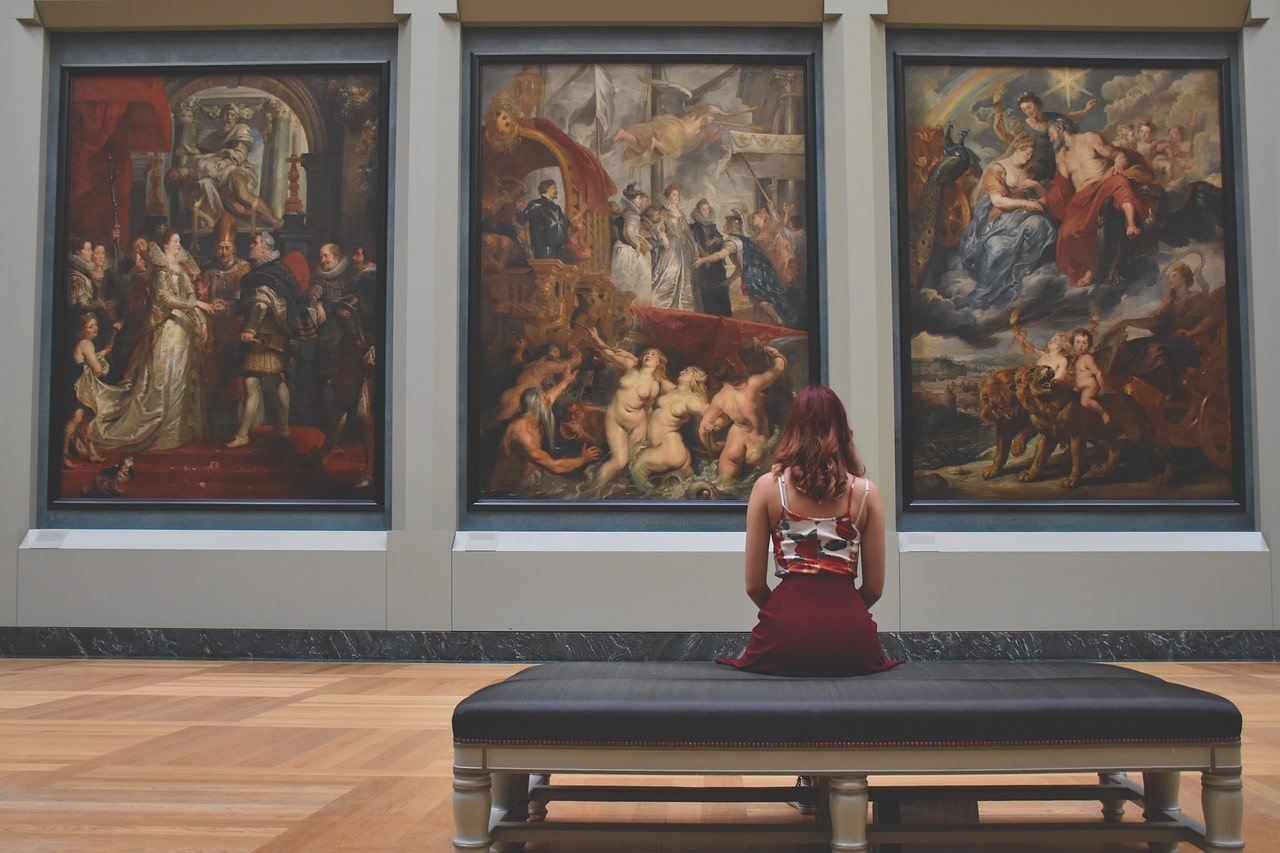
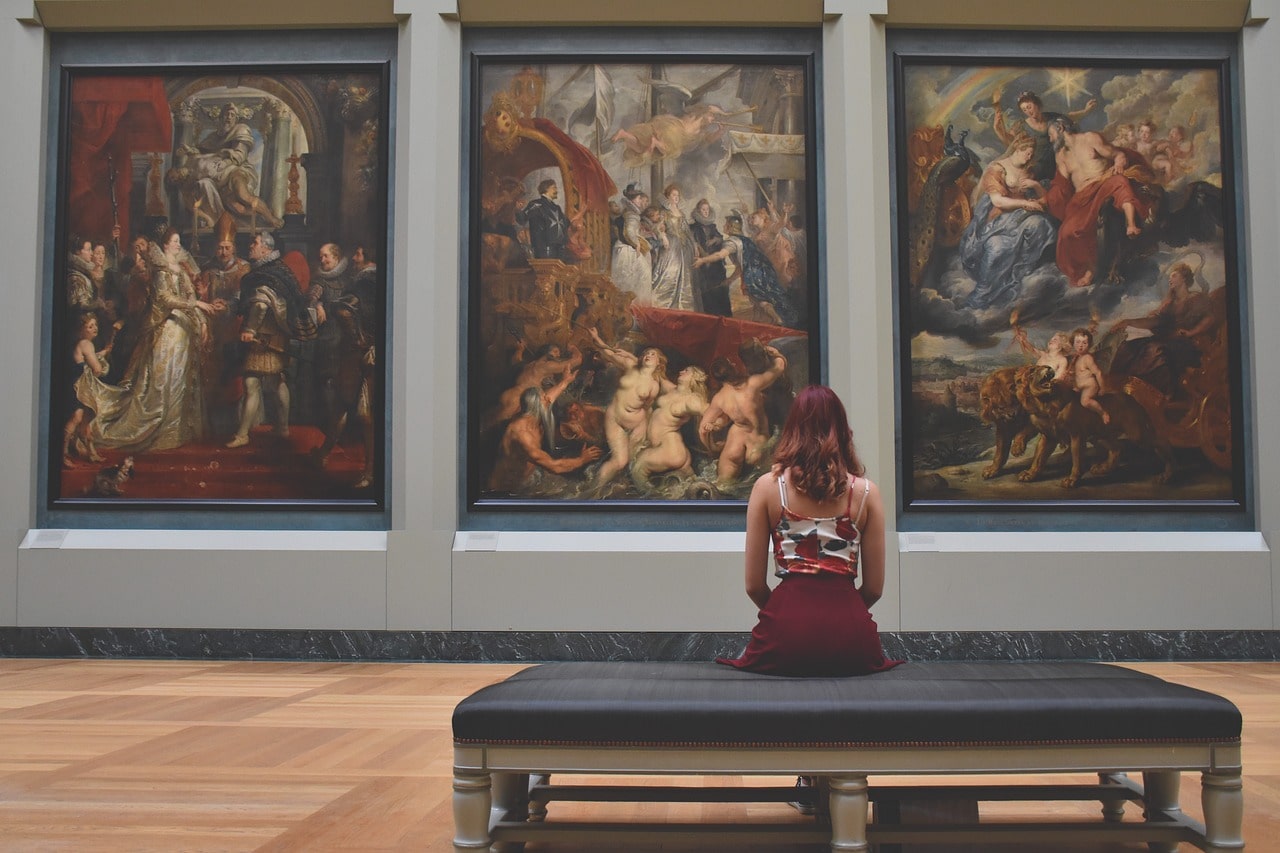
Art has the remarkable ability to capture the essence of human expression, culture and emotion. The art market, an intricate web of transactions, galleries, collectors and artists, plays a central role in bringing these expressions to life.
In this article, we embark on a journey through the fascinating world of art markets and delve into the world of auctions, galleries, and the art of collecting.
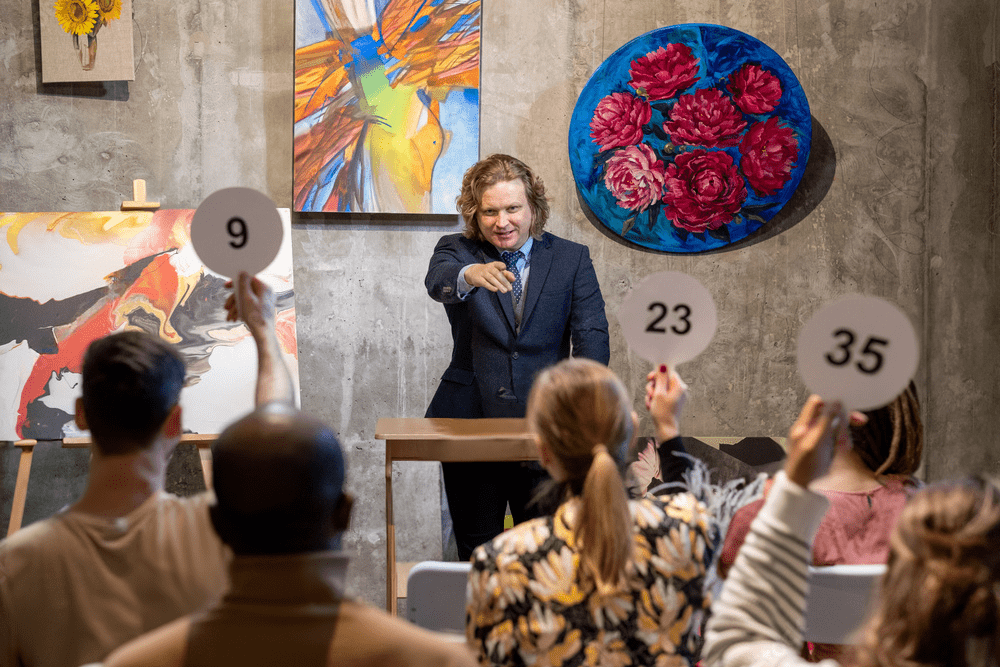
Art auctions are dynamic events where valuable works of art change hands and often fetch dizzying prices. Hosted by renowned houses such as Christie’s and Sotheby’s, these auctions provide buyers and sellers with a platform for a strategic bidding and counter-bidding battle. The adrenaline-fueled atmosphere and competitive spirit is palpable, and experts analyze each move and forecast the final hammer price.
Bidding strategies range from calculated to emotional, with some buyers seeking long-term investments and others chasing the thrill of ownership. The transition from traditional on-site auctions to online platforms has democratized access to art auctions, expanding their global reach and allowing collectors to participate from the comfort of their own homes.
Famous works of art sold at auctions
In the world of art auctions, there are breathtaking moments when masterpieces change hands for astronomical prices and become cultural milestones beyond their material value. Here we delve into the world of the most famous works of art sold at auction houses that have shaped art history and the global imagination.
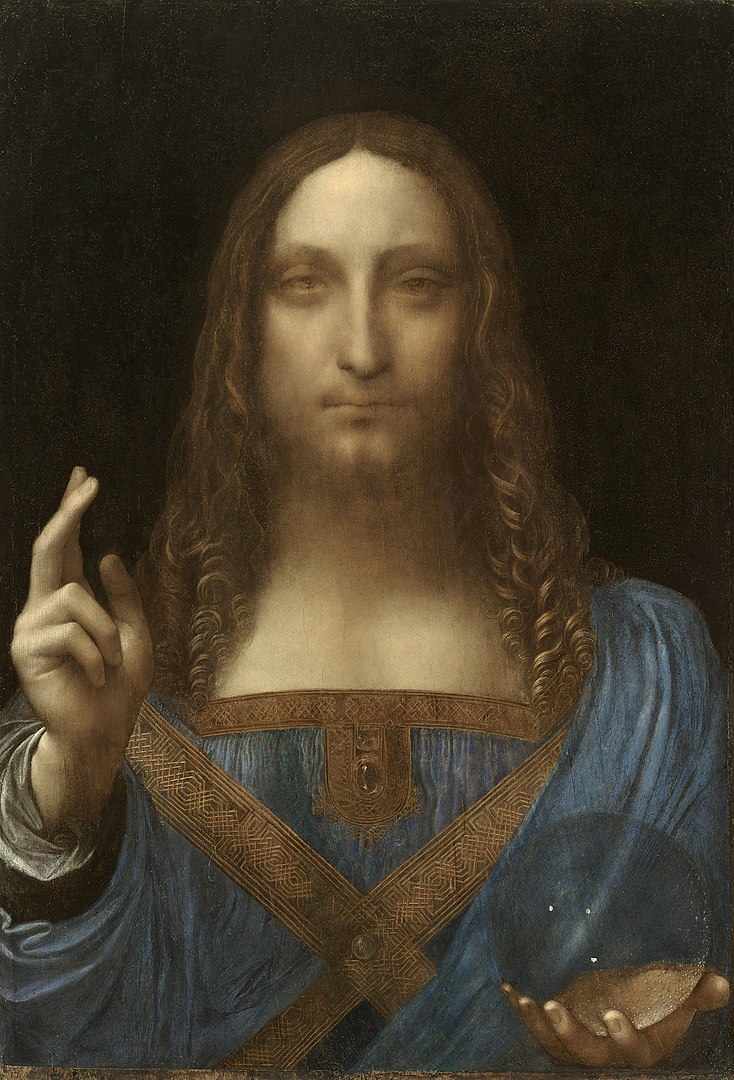
Leonardo da Vinci's "Salvator Mundi"
Leonardo da Vinci’s “Salvator Mundi,” which reveals the secret of one of history’s most enigmatic geniuses, caused a worldwide sensation when it was auctioned. This divine depiction of Christ as Savior of the World is the last known painting attributed to the Renaissance polymath.
In 2017, the masterpiece fetched a stunning $450.3 million at Christie’s in New York, breaking all records and underscoring da Vinci’s eternal influence on the art world.
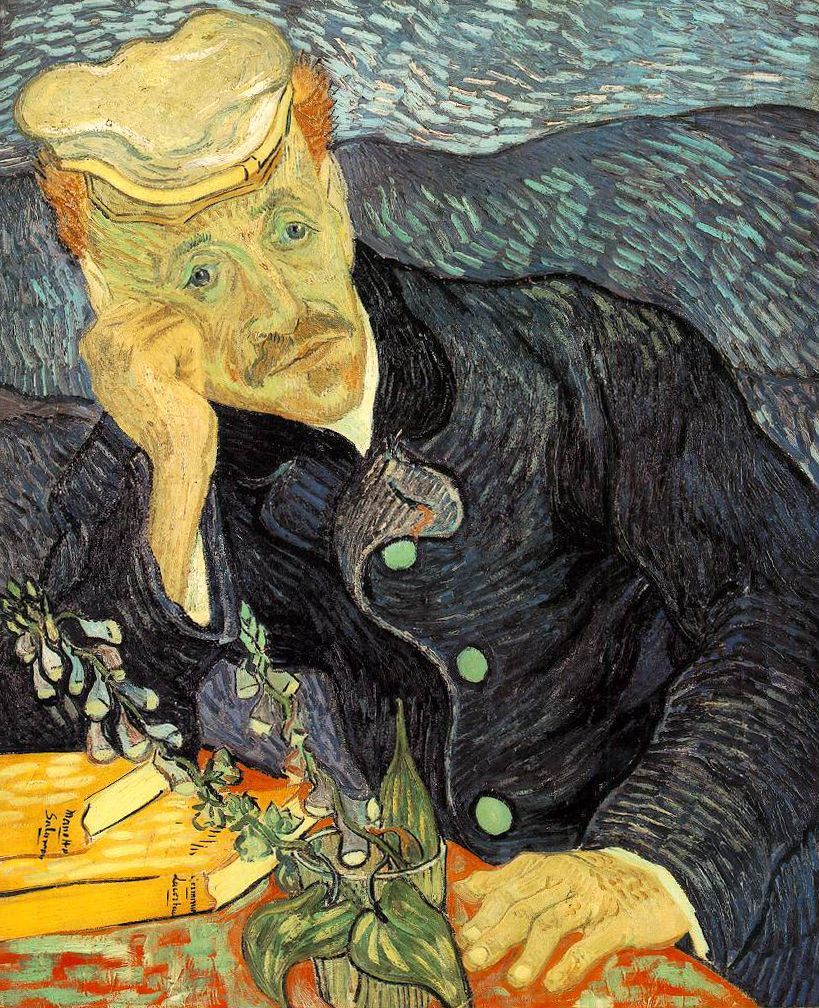
Vincent van Gogh's "Portrait of Dr. Gachet"
The tortured brilliance of Vincent van Gogh found immortal recognition with “Portrait of Dr. Gachet.” This emotive depiction of the doctor who nursed the artist during his turbulent final days captures the essence of van Gogh’s emotional intensity.
In 1990, the painting fetched a remarkable $82.5 million at Christie’s in New York, underscoring van Gogh’s profound influence on the world of art and mental health awareness.
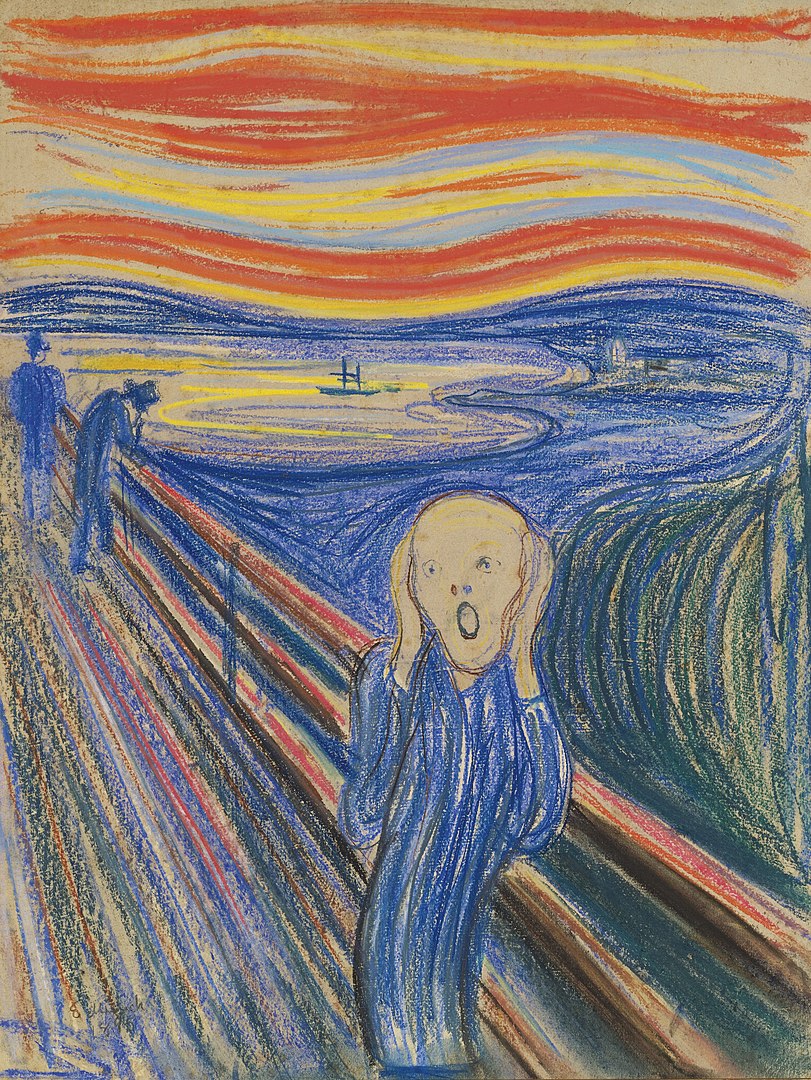
Edvard Munch's "The Scream"
Edvard Munch’s “The Scream” is an expression of existential angst and has transcended art to become a universal symbol of modern alienation. The figure’s vivid swirls of color and haunting scream reflect the complexity of the human psyche.
In 2013, this iconic artwork sold at Sotheby’s New York for an incredible $120 million, cementing its status as a cornerstone of expressionism and cultural consciousness.
Art Galleries
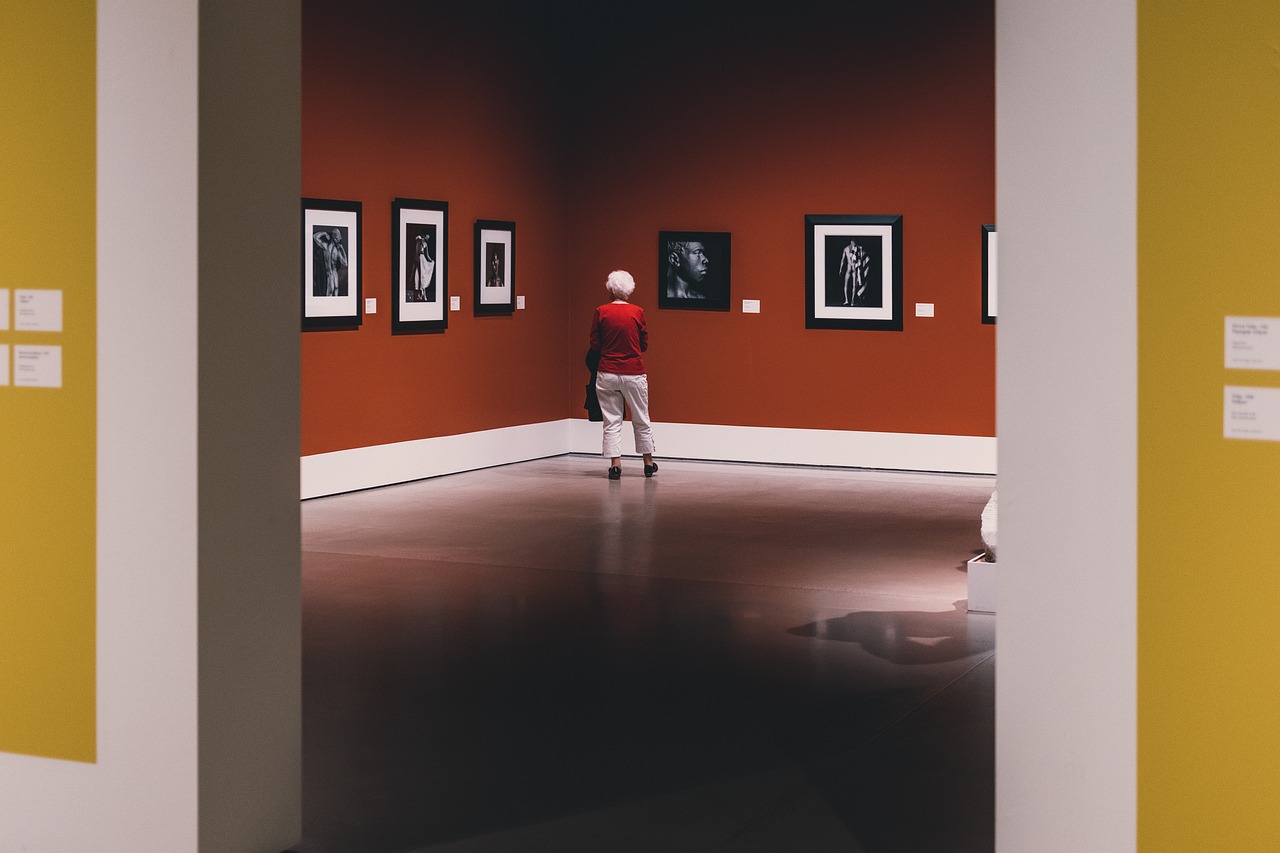
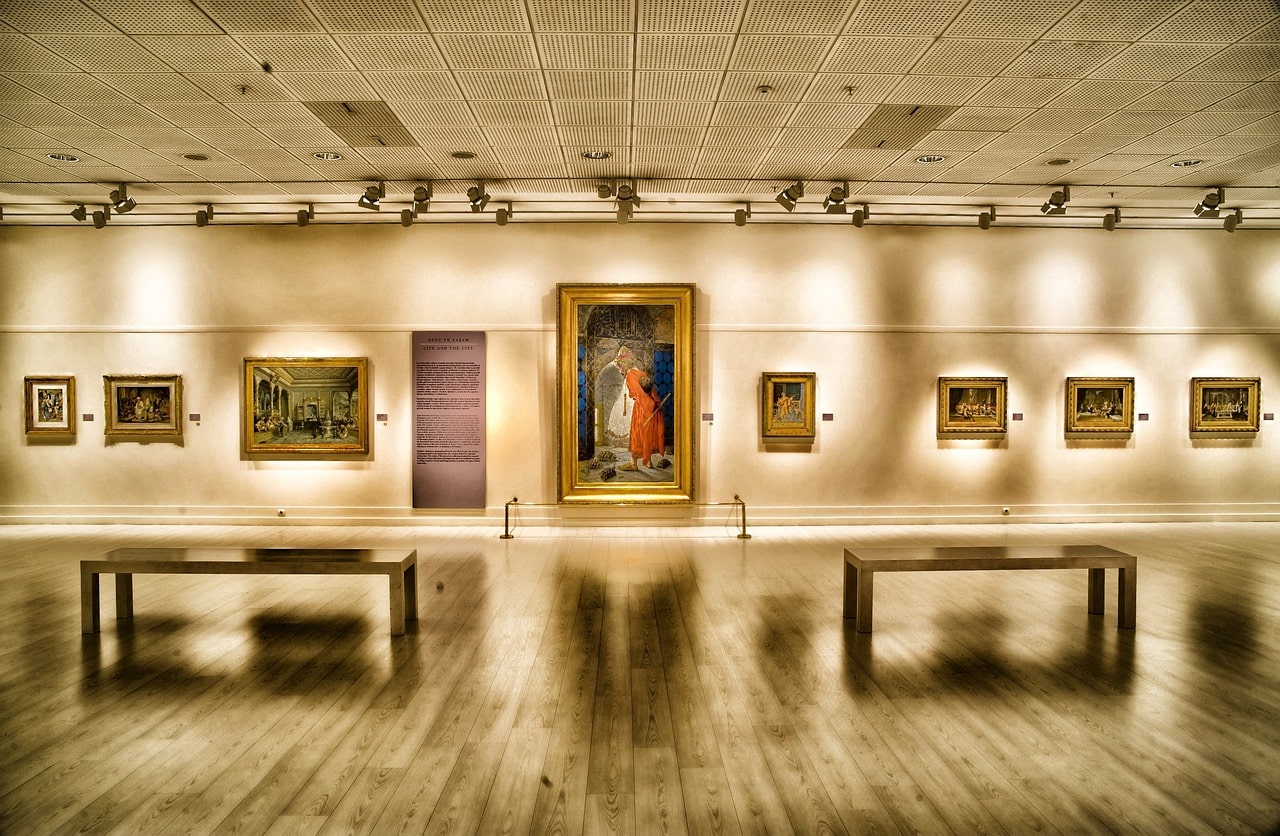
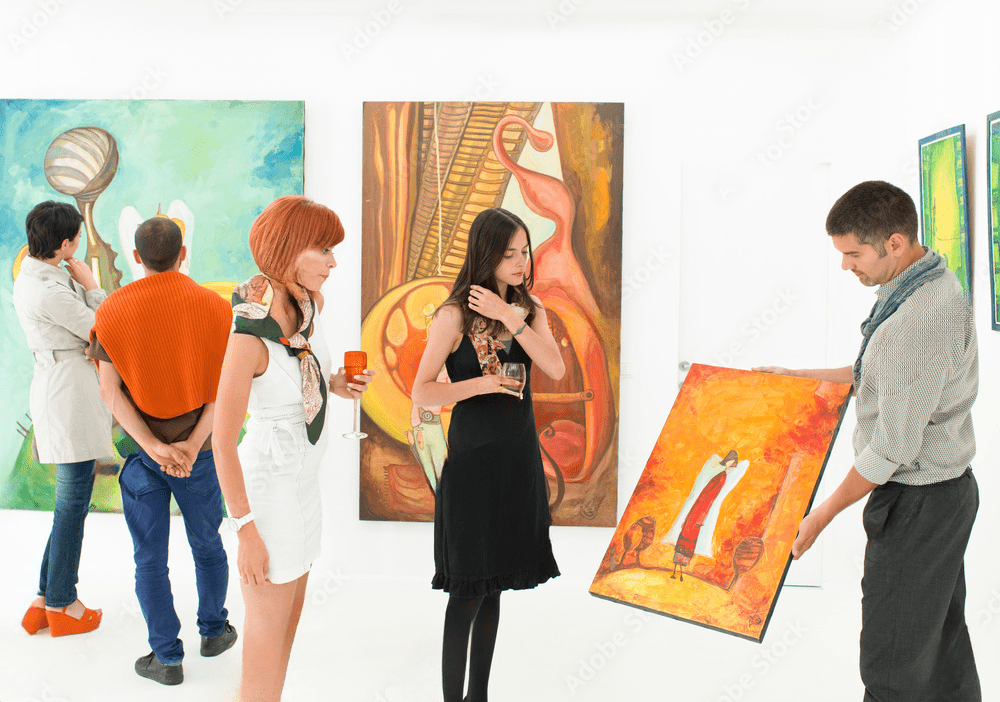
Art galleries are more than just spaces where artworks are displayed; they are gatekeepers for culture and creativity. These institutions come in a variety of forms, from commercial galleries that exhibit established artists to contemporary spaces that push the boundaries of artistic expression. Curators play a central role, carefully selecting works that are consistent with the gallery’s identity and broader art history.
For artists, gallery representation can be a career-defining step that brings them attention and recognition. Navigating the gallery scene requires understanding the dynamics of gallery-artist relationships, the importance of solo and group exhibitions, and the balance between artistic vision and commercial viability.
Commercial art galleries shape the art market
Commercial art galleries are vibrant centers where creativity and commerce collide and shape the dynamic landscape of the art market. These galleries are more than just spaces; they are cultural institutions that curate, exhibit, and share artistic visions with a global audience.
Here we embark on a journey into the realm of renowned commercial art galleries that have become the expression of artistic innovation and market influence.
Gagosian Gallery
Founded in 1980 by Larry Gagosian, Gagosian Gallery is a giant in the world of contemporary art.
With locations in New York, Los Angeles, London, Paris and beyond, Gagosian has assembled a roster of artists that reads like a Who’s Who of modern masters.
By continually presenting groundbreaking exhibitions and collaborating with renowned artists such as Damien Hirst and Cy Twombly, Gagosian has cemented its reputation as a major player in the global art market.
White Cube
London-based White Cube Gallery was founded by Jay Jopling in 1993 and quickly gained a reputation as a promoter of innovative contemporary artists.
With spaces in London, Hong Kong and Shanghai, White Cube has built a prestigious roster of artists that includes Tracey Emin, Damien Hirst and Anselm Kiefer.
The minimalist gallery spaces, which allow the artworks to speak for themselves, have become synonymous with innovative contemporary art.
Pace Gallery
Founded in 1960 by Arne Glimcher, Pace Gallery has been at the forefront of promoting influential artists of various movements.
With galleries in New York, Beijing, Seoul and beyond, Pace has played a critical role in introducing the world to artists such as Mark Rothko, Alexander Calder and Jean Dubuffet.
His commitment to presenting artwork that pushes the boundaries of creativity has earned him international recognition.
Collecting art is a journey that combines passion, knowledge and a discerning eye. Collectors often find themselves walking a fine line between aesthetics and investment potential. The process involves extensive research, visiting exhibitions, and cultivating relationships with artists and experts. A well-curated collection can be a personal reflection of the collector’s tastes and beliefs.
Preserving and displaying art is an art in itself. Proper storage, framing, and conservation are critical to ensure the longevity of artwork. As art collecting evolves, it becomes increasingly important to appreciate diversity and discover new artists to stay ahead of trends.
Art markets and investments
Art has emerged as an alternative investment opportunity whose value is influenced by factors beyond financial metrics. Owning art can be a source of emotional fulfillment, intellectual enrichment and social status. However, navigating the landscape of art investment requires a thorough understanding of market trends, historical price fluctuations, and the interplay of supply and demand.
While art is potentially lucrative, it also carries risks due to its subjective nature. The value of a work of art can be volatile and is influenced by factors such as the reputation of the artist, trends in the art world, and societal changes. Balancing the desire for profit with the appreciation of artistic integrity is a delicate dance that collectors must master.
Technological transformations
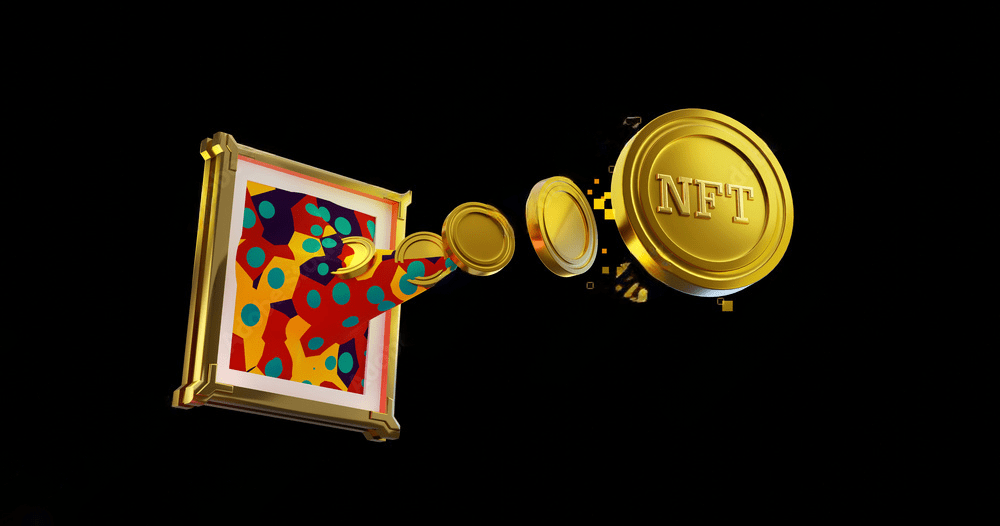
Technology is reshaping the art market, bridging geographic gaps and redefining artistic media. Online platforms and NFTs (Non-Fungible Tokens) have opened up new opportunities for artists and collectors to collaborate. Virtual galleries and digital art installations are pushing the boundaries of creativity and challenging traditional notions of art’s tangibility.
However, the digital world also brings challenges, such as copyright concerns and the loss of the physical connection between the viewer and the artwork. The integration of technology requires a delicate balance of preserving the essence of art while encouraging innovation.
The future of art markets
The future promises fascinating developments, from advances in virtual reality art experiences to a greater focus on sustainability and ethical practices. Technology will continue to play a central role, blurring the lines between the physical and digital worlds.
It is difficult to predict exactly how the art market will evolve, but one thing is certain: art will continue to be an effective vehicle for human expression and connection. The evolution of the art market is a testament to the ever-changing nature of creativity and our collective desire to engage with the beauty it offers.