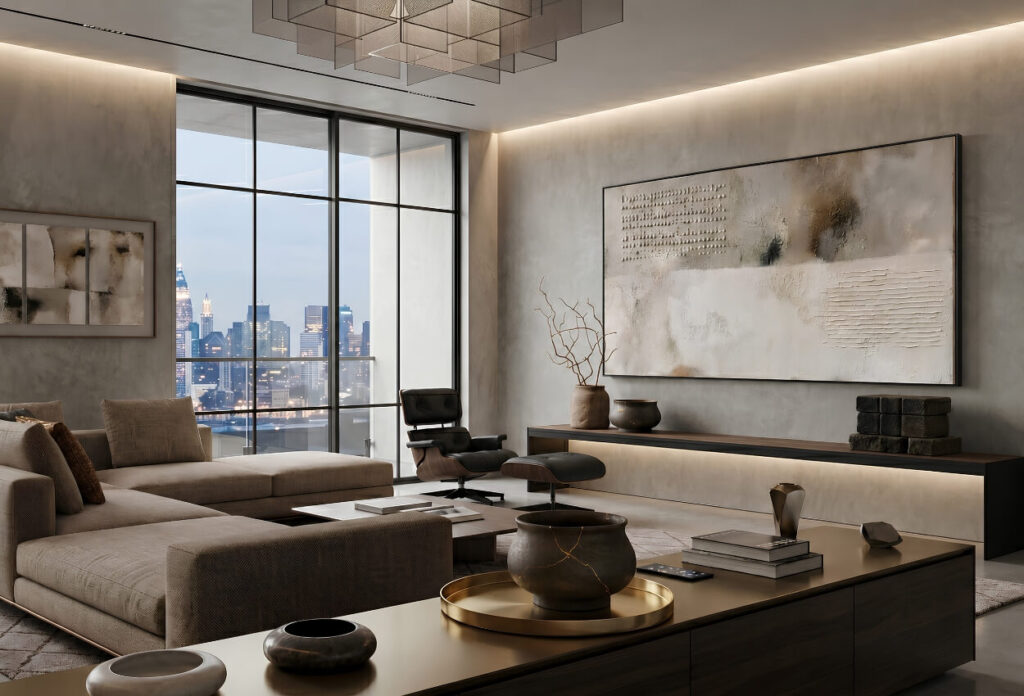
Wabi-Sabi in Art: The Beauty of Imperfection in Interior Design
Wabi-sabi is a Japanese aesthetic philosophy that finds beauty in imperfection, impermanence, and authenticity. Rooted in Zen Buddhism, it celebrates things that are unfinished, asymmetrical, weathered, and deeply human. Instead of chasing flawless design or mass-produced perfection, wabi-sabi invites us to slow down, notice subtle details, and appreciate the quiet elegance of what feels real.
In interior design—and especially in art—wabi-sabi is not a trend. It is a mindset. One that values emotion over polish and character over symmetry.
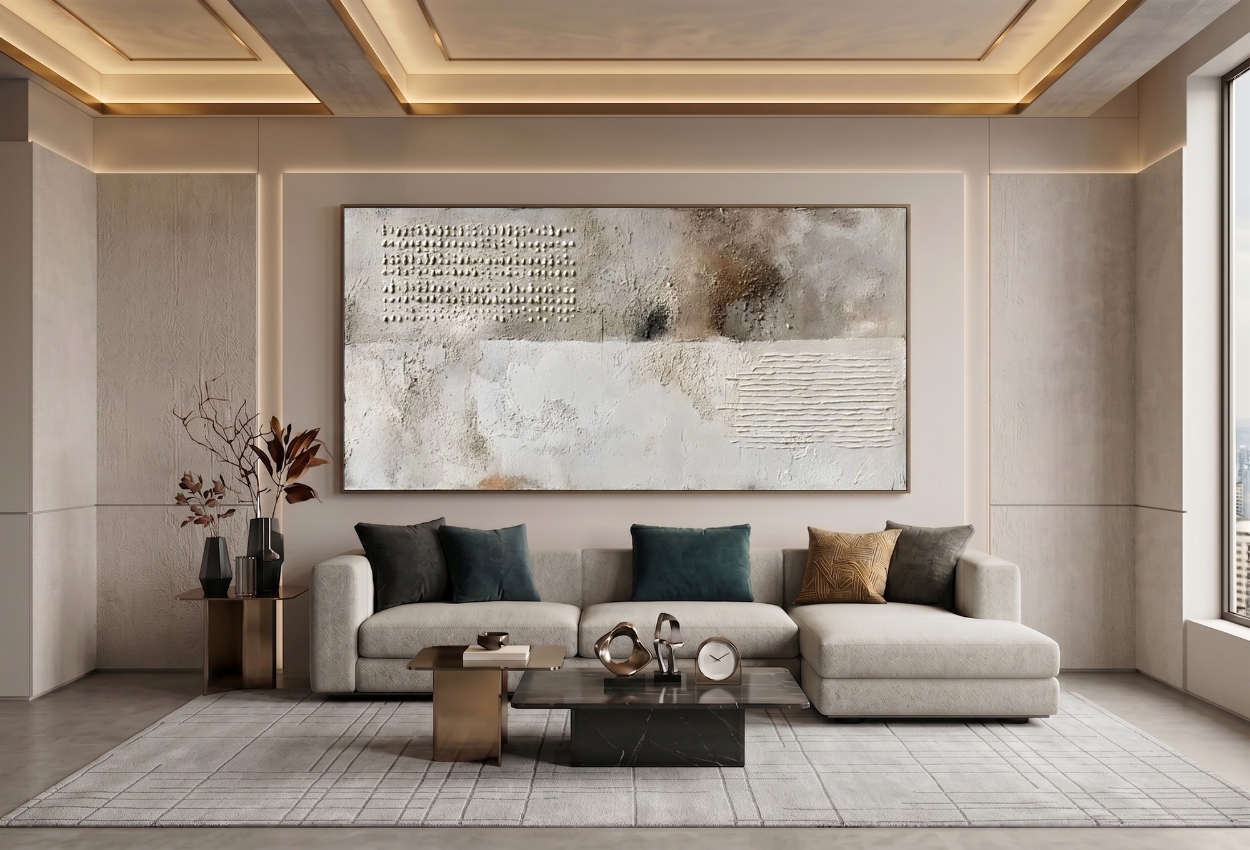
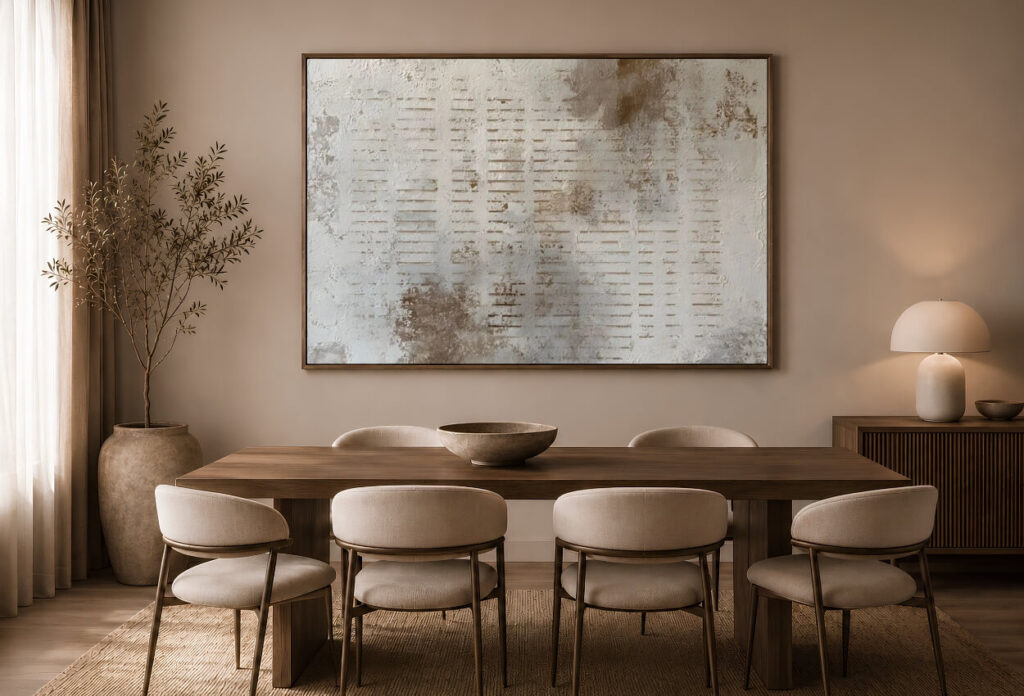
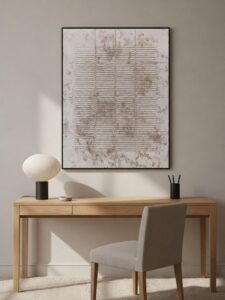
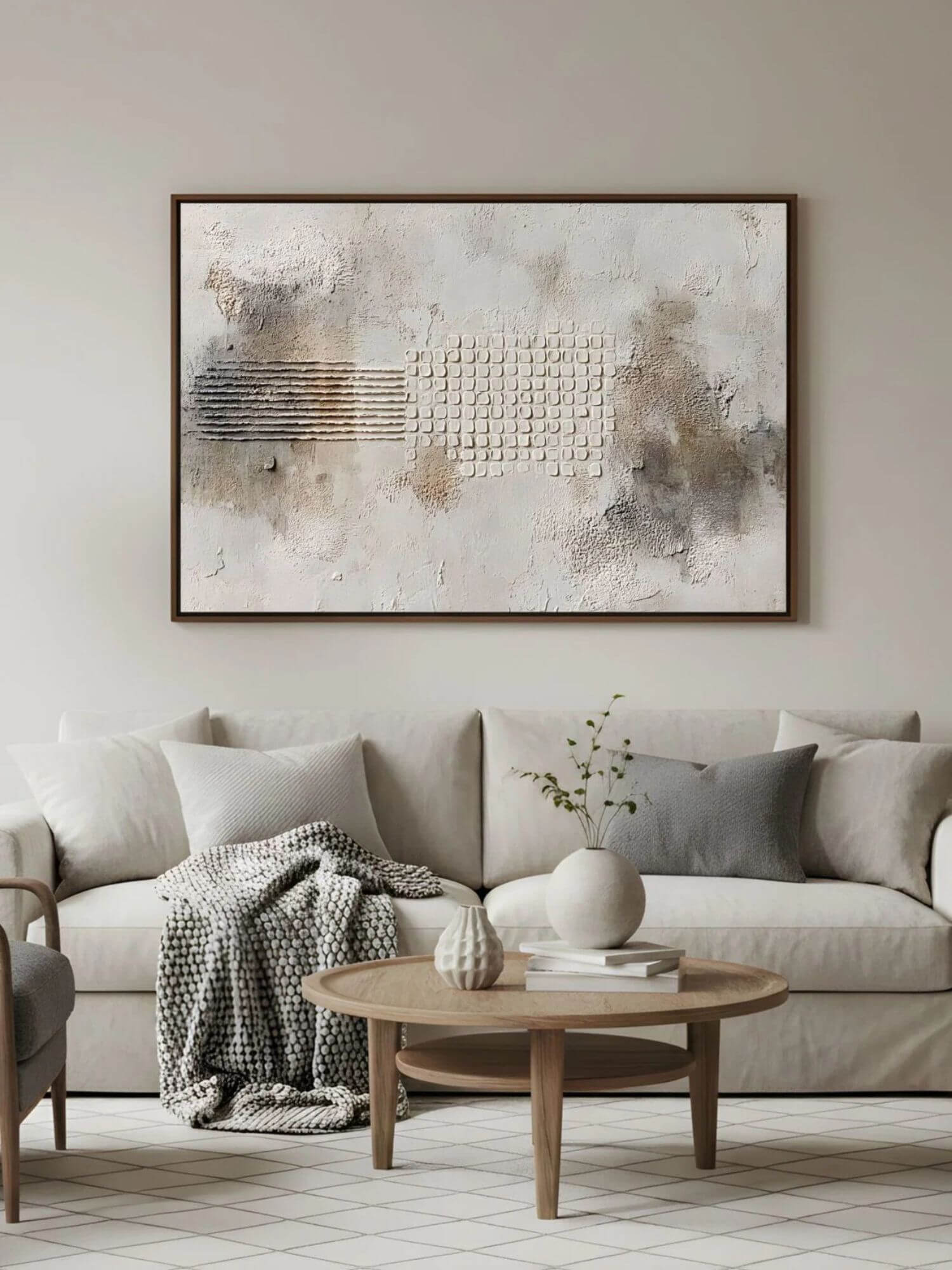
Art is one of the purest expressions of wabi-sabi. Brushstrokes left visible, uneven textures, muted color palettes, and organic forms all reflect the philosophy’s core idea: beauty lies in what is imperfect and transient.
Paintings inspired by wabi-sabi often feature:
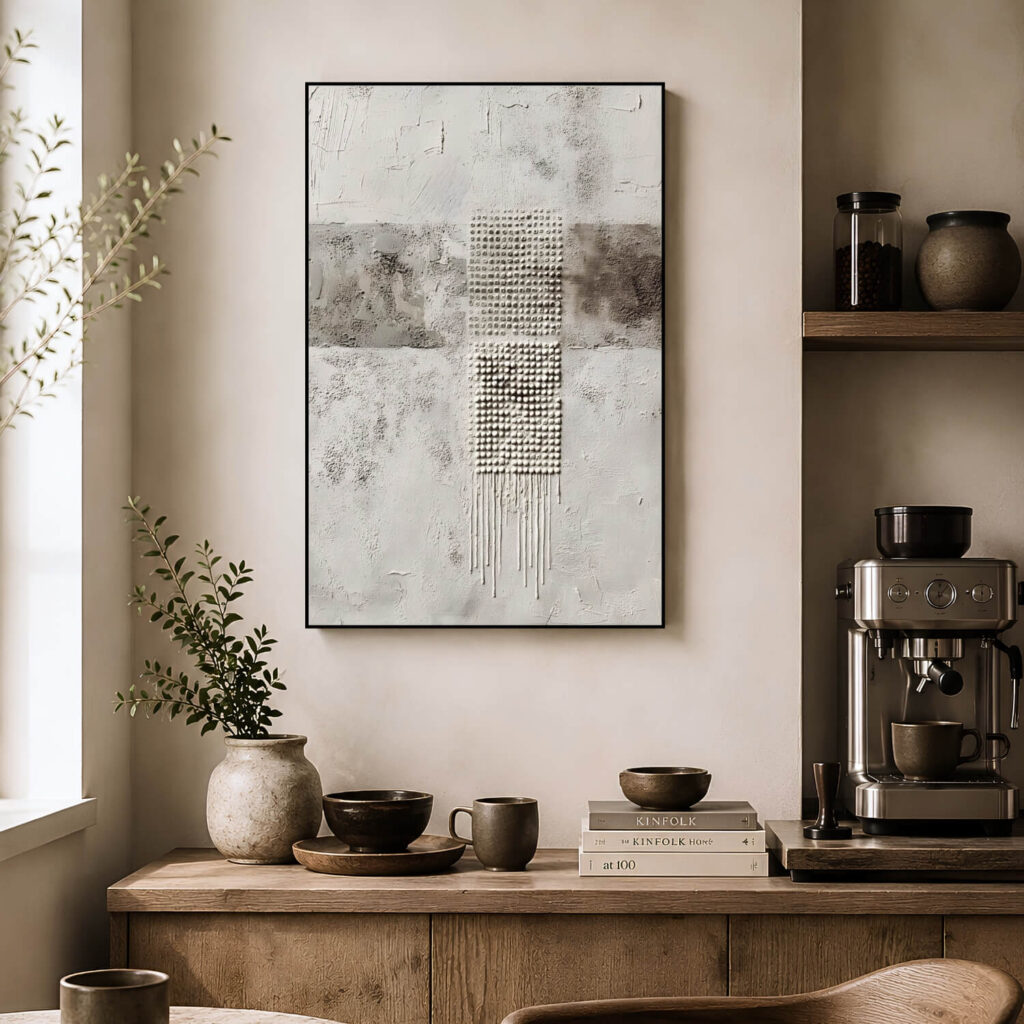
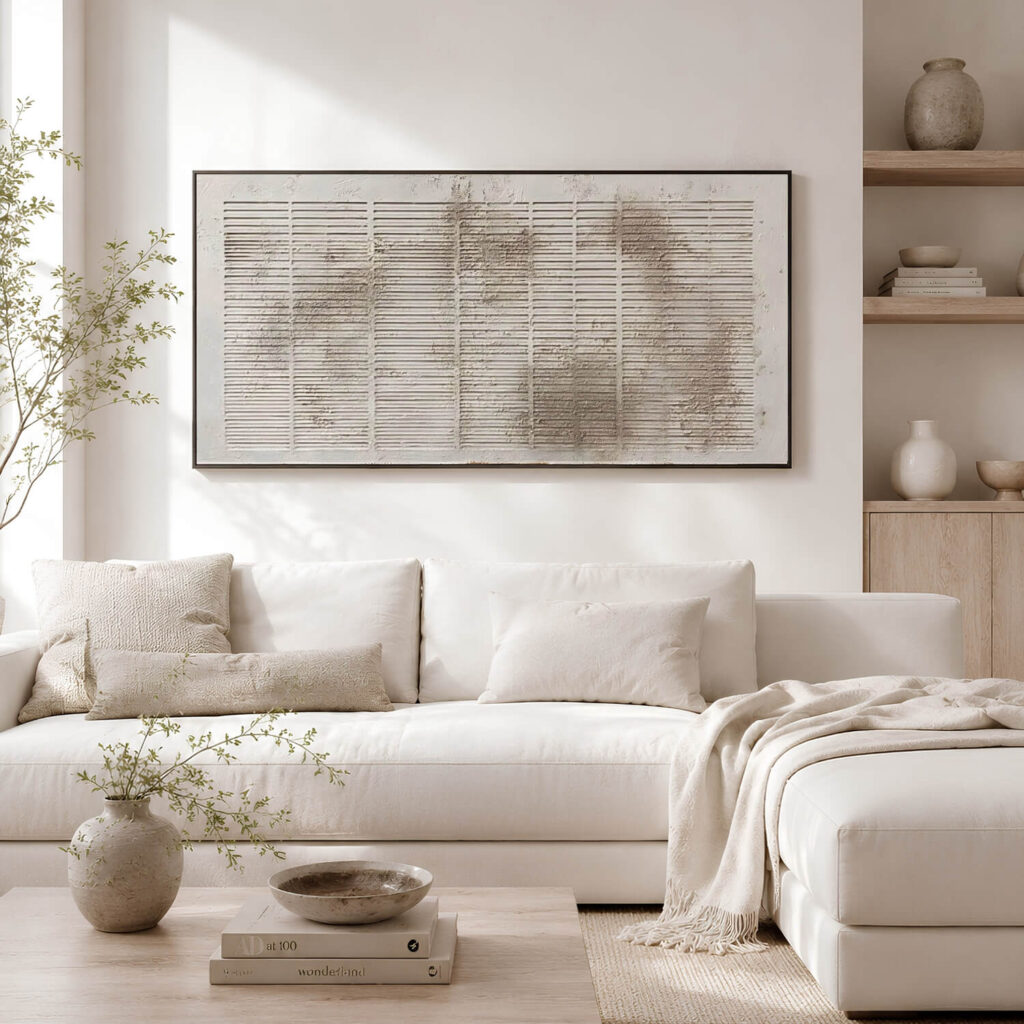
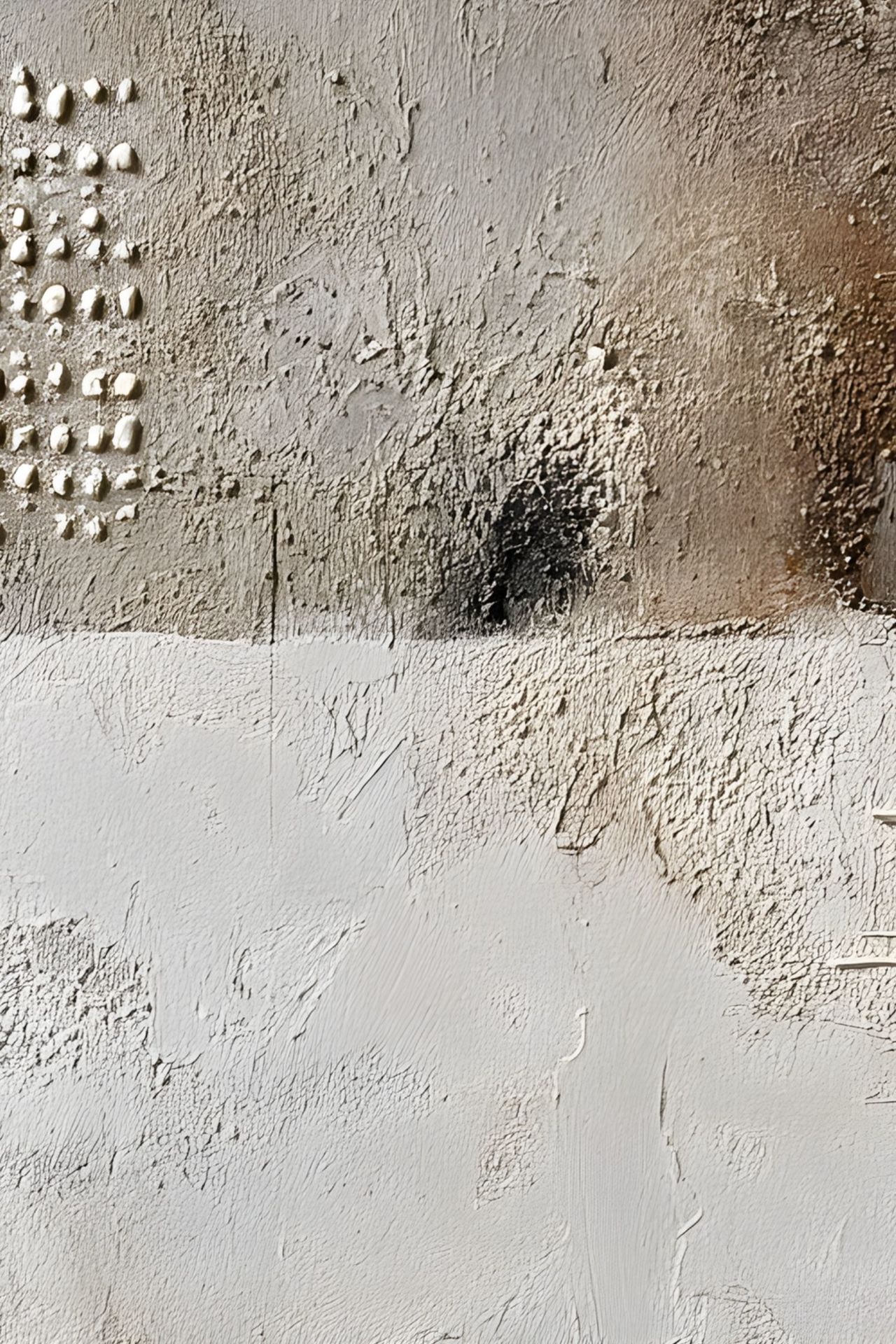
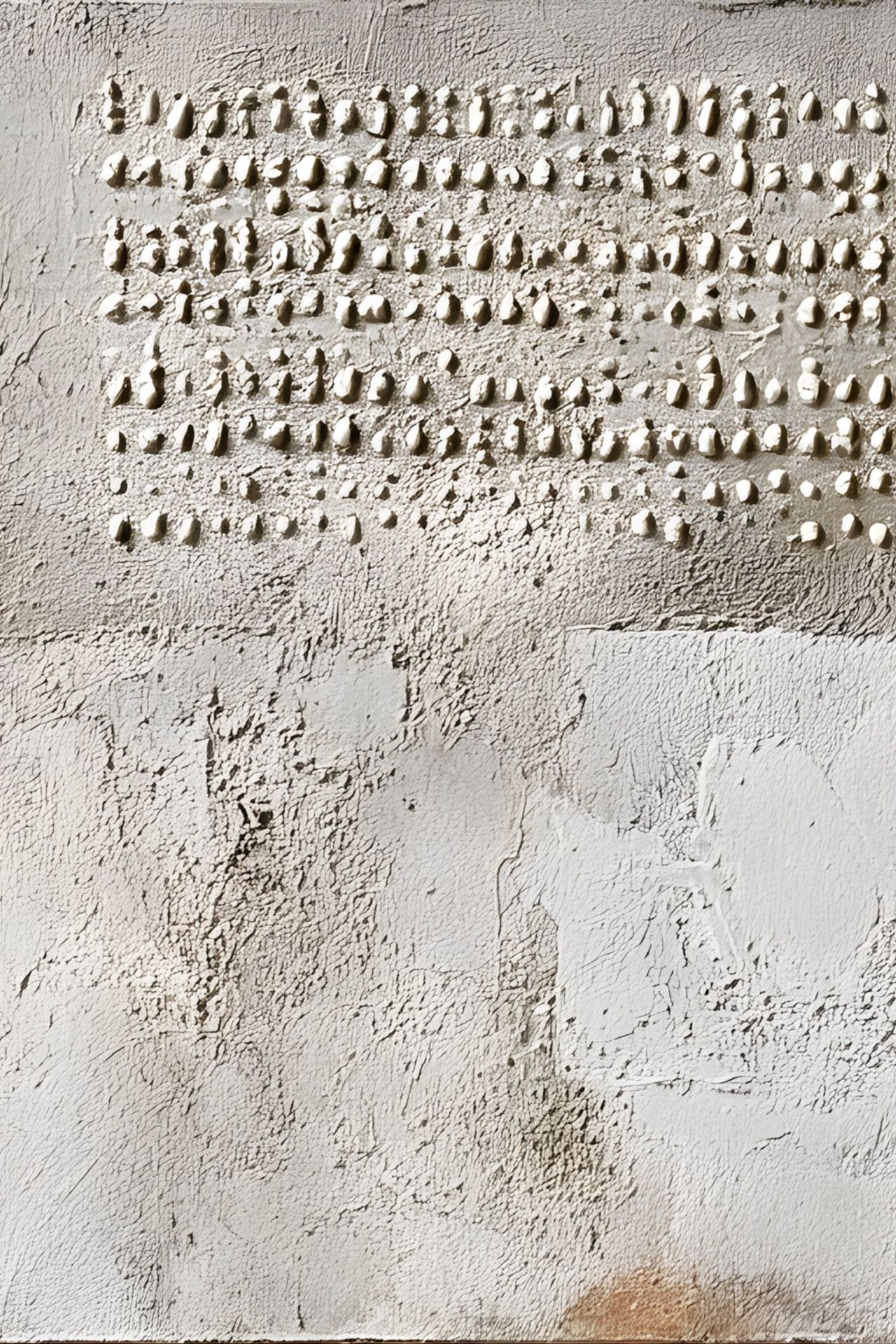
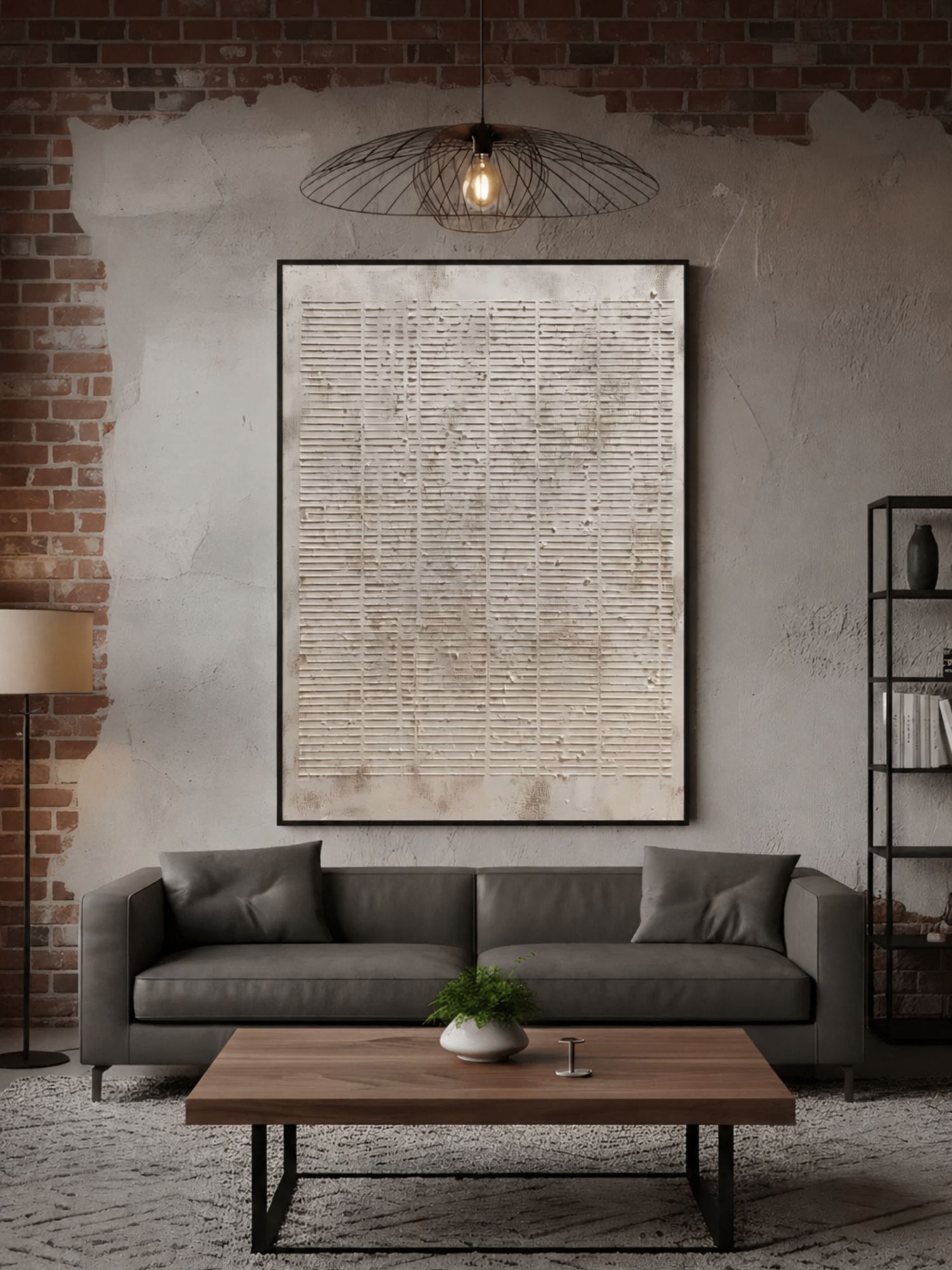
Hand-painted textures and visible layers
Earthy, neutral, and muted tones (beige, clay, stone, charcoal, off-white)
Abstract or minimalist compositions
Natural inspiration such as landscapes, horizons, stone, wood, or water
A sense of calm, stillness, or quiet emotion
Rather than demanding attention, wabi-sabi art gently draws you in.
In a world of fast design and perfectly curated spaces, wabi-sabi art brings balance. It softens interiors, adds depth, and creates rooms that feel lived-in rather than staged.
Unlike overly polished artworks, wabi-sabi paintings feel personal. The imperfections—uneven lines, raw textures, subtle color variations—make the artwork feel human and relatable.
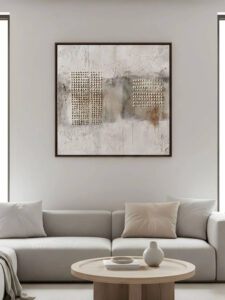
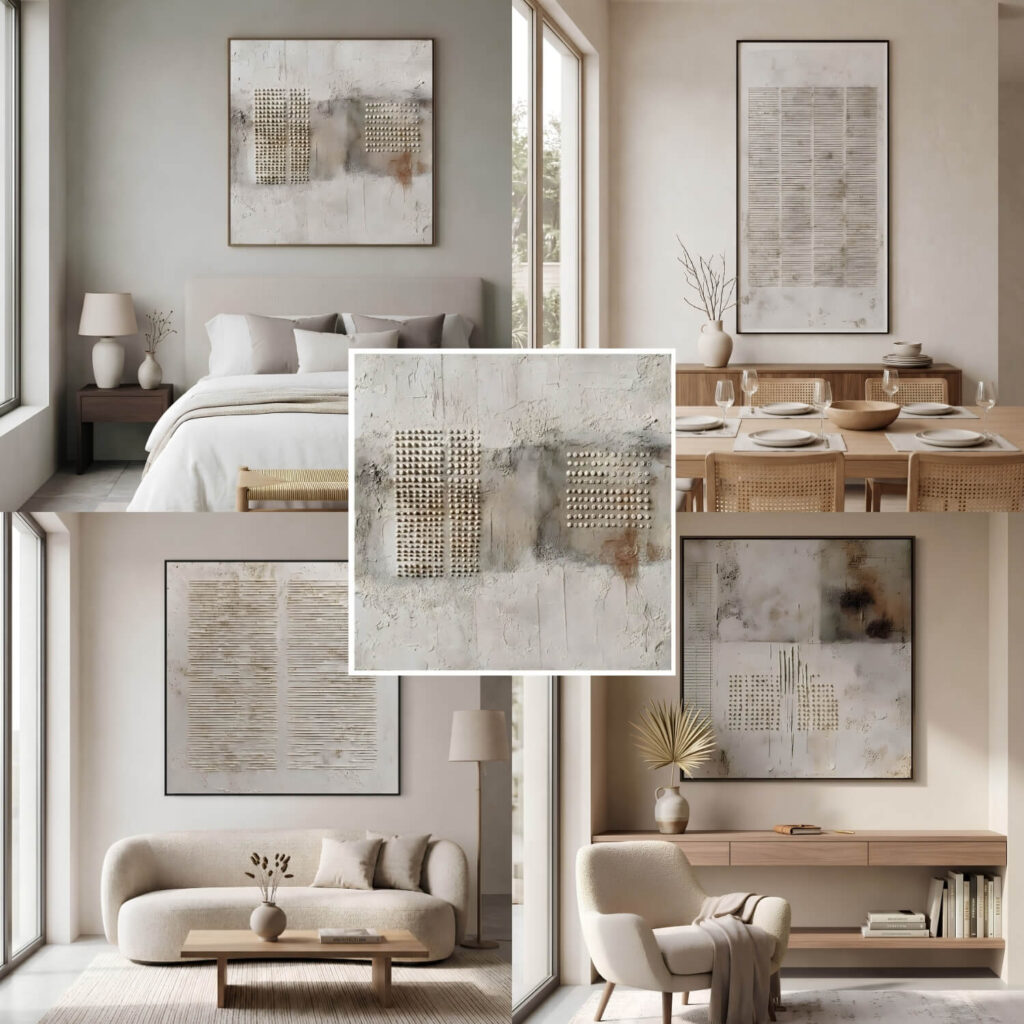
Minimalist interiors can sometimes feel cold. Wabi-sabi art introduces warmth and soul without clutter, making it a perfect match for Scandinavian, Japandi, modern, and contemporary spaces.
When selecting wabi-sabi-inspired art, perfection should not be the goal. Instead, look for pieces that evoke a feeling.
Ask yourself:
Does this artwork make me pause?
Do the textures and colors feel calming?
Does it tell a quiet story rather than shout for attention?
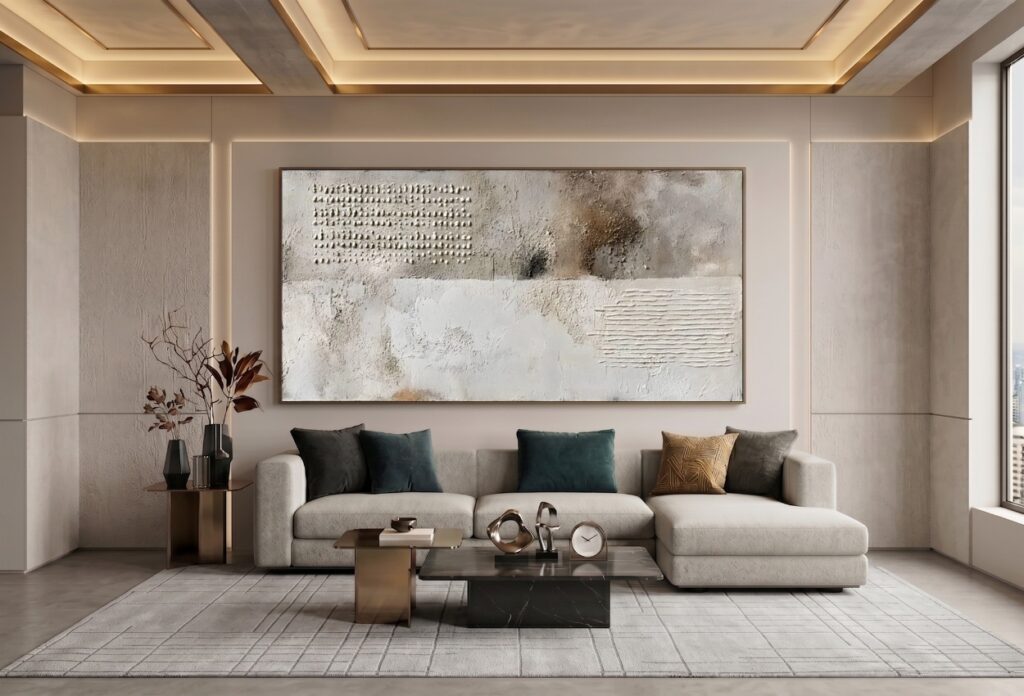
Large-format abstract paintings, textured canvases, and hand-painted artworks work especially well. Slight irregularities are not flaws—they are the essence of the piece.
Incorporating wabi-sabi art into your interior is more than a design choice—it’s a reflection of how you want to live. It encourages mindfulness, acceptance, and appreciation of the present moment.
Art that follows this philosophy, especially wabi-sabi wall art, does not try to be perfect. It simply is—and that is exactly where its beauty lies.
Embrace the quiet beauty of wabi-sabi with KUNSTLOFT’s curated collection. From expressive XXL paintings and textured acrylic artworks to minimalist posters and our bestselling designs, each piece celebrates imperfection, balance, and natural elegance.
Discover made-to-order Art Drop paintings and timeless favorites that bring warmth and authenticity to your space. Subscribe to our newsletter for new arrivals, exclusive offers, and fresh interior inspiration—delivered straight to your inbox.
Wabi-sabi reminds us that homes are meant to be lived in, not perfected. By choosing paintings that celebrate texture, imperfection, and quiet beauty, you create spaces that feel authentic and timeless.
In the end, wabi-sabi art doesn’t just decorate your walls—it sets the tone for a calmer, more intentional way of living.
Wabi-sabi is a Japanese philosophy that finds beauty in imperfection, simplicity, and natural aging. In art, it is expressed through textured paintings, muted colors, asymmetrical designs, and organic forms that feel authentic and timeless.
You can introduce wabi-sabi art by choosing hand-painted or textured artworks, minimalist abstracts, or natural-themed paintings. Place them in living rooms, bedrooms, or dining areas to create calm, soulful, and inviting spaces.
Wabi-sabi art adds warmth, depth, and a sense of calm to contemporary interiors. Its imperfect, organic aesthetic balances minimalist spaces and creates homes that feel lived-in, personal, and timeless.